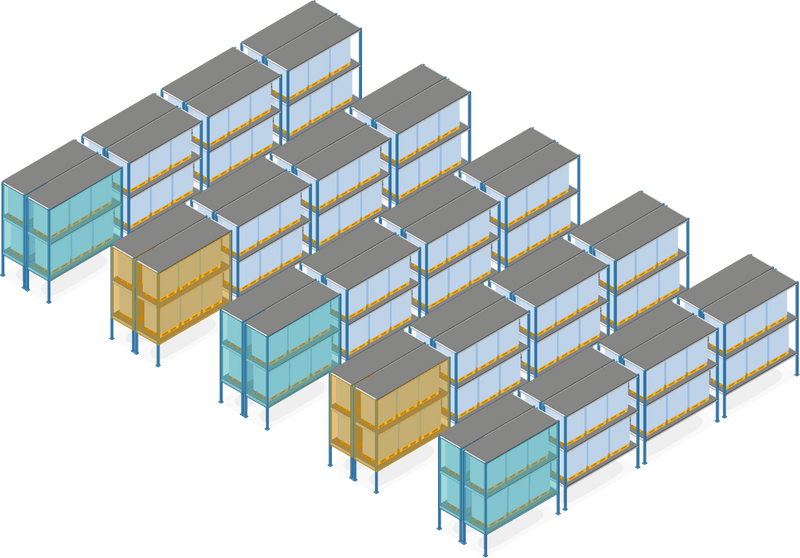
Rider High Lift Stacker
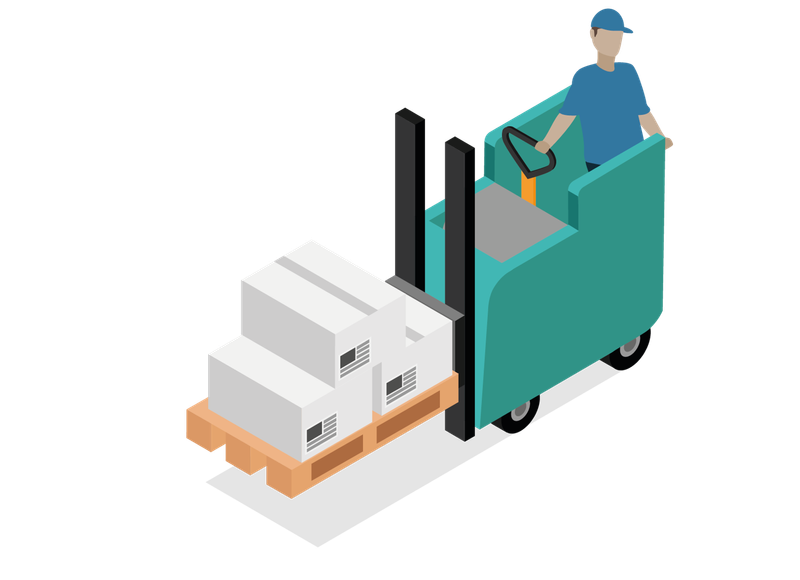
Rider High Lift Stacker for high handling Volumes in large Warehouses
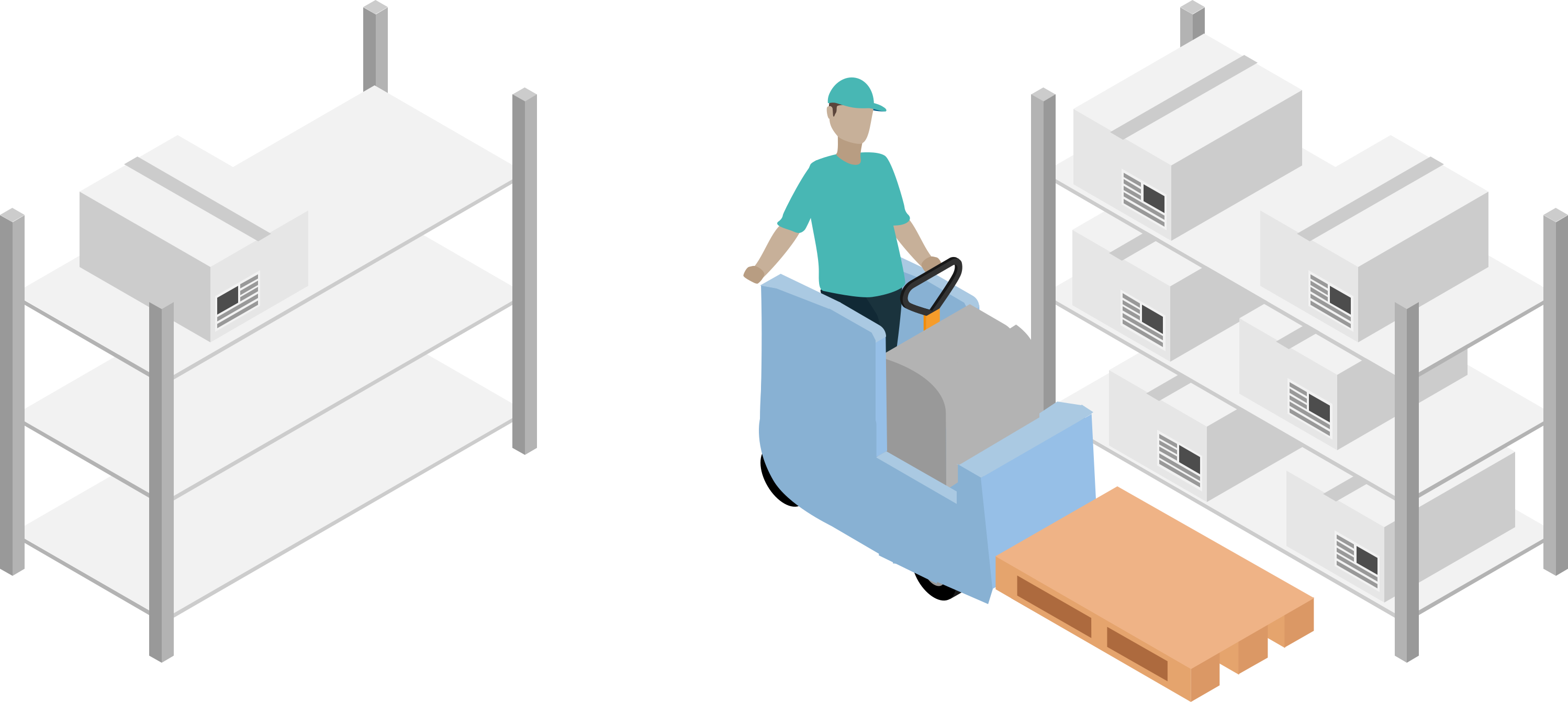
A pallet truck with an operator platform or seat is an electrically powered industrial truck designed for lifting and transporting pallets over several levels - especially for longer travel distances or frequent use. In contrast to pedestrian pallet trucks, where the operator walks alongside the truck, this variant offers a standing or seated operating position, which significantly increases comfort and efficiency.
Rider High Lift Stacker - Solves the following Problems!
Select one of the problems. You will receive instructions that you can use to calculate optimization potential.
Long driving distances
Low Storage Space Utilization
Long Transport Distances
High Replenishment Time

Long Distances without Picks

Regularly Changing Paths
Rider High Lift Stacker - Find the Right Offering for You
Select products and receive detailed information. You can use the platform to contact product suppliersRider High Lift Stacker - The Solution can be Combined with the Following Solutions
Here you can find solutions, which can be combined with the presented solution.
Asset Management
- Tracking of inventory
- Management of multiple types of assets
- Maintenance management
Asset Tracking
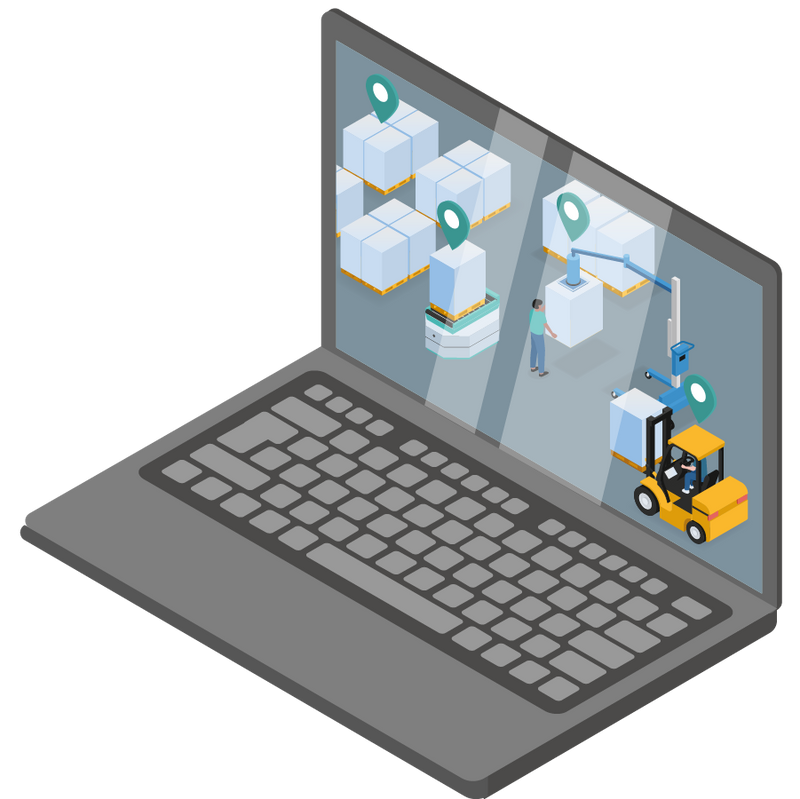
- Localisation of assets
- Optimised use of assets
- Avoidance of bottlenecks
-800x800.png)
-800x800.png)
Rider High Lift Stacker - The Following Solutions can also Solve the Pain Point
Here you can find other solutions, which are suitable for the optimization of the pain points (Long driving distances) as well as variants of the current solution.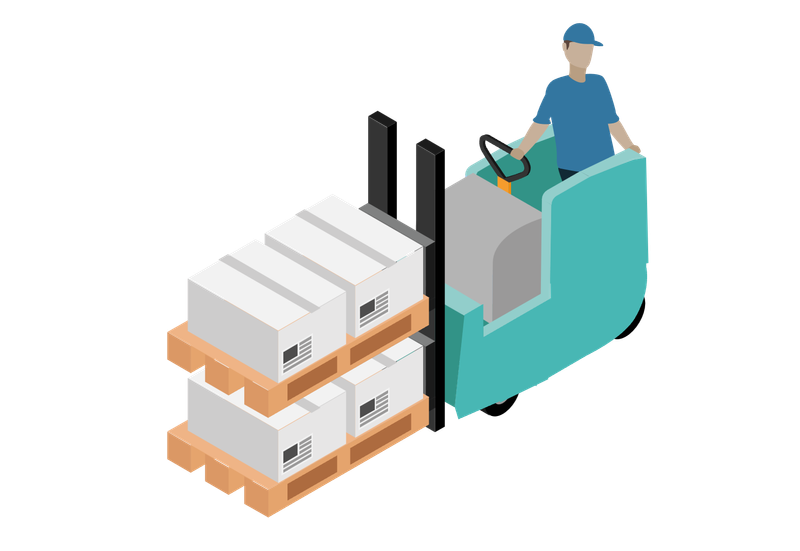
Rider Double Stacker
- Combination of low- and high-lift functions
- Transporting two pallets at the same time
- Ideal for high throughput
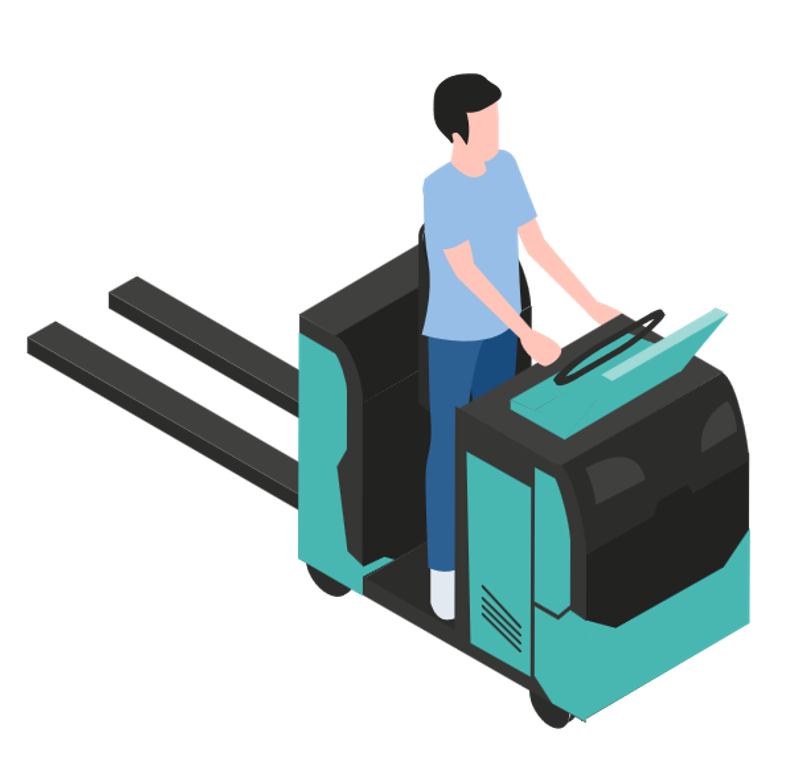
Horizontal Order Picker
- Efficient order picking at floor or low shelf levels
- Ride-on platform and long forks to increase production
- Automatic following system possible
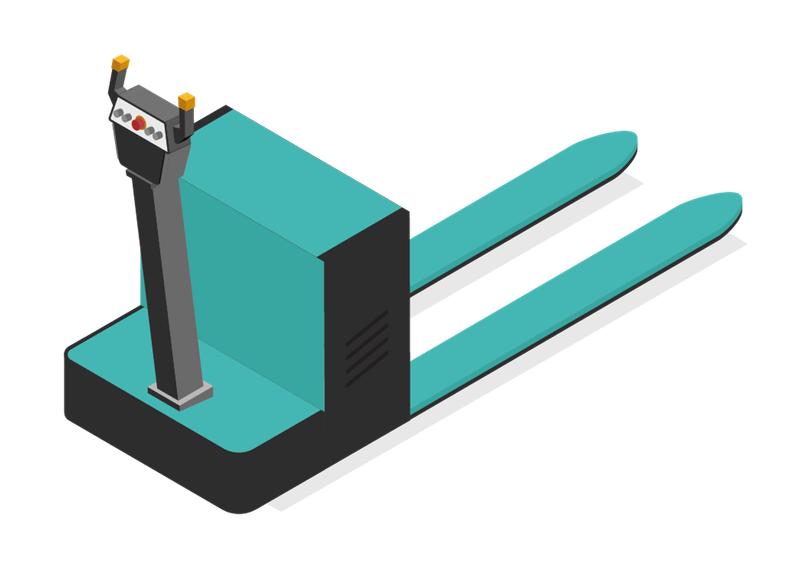
Pedestrian Pallet Truck
- Pallet truck with electric drive and escort on foot
- Effort-saving and ergonomic pallet truck variant
- Flexible application options in intralogistics
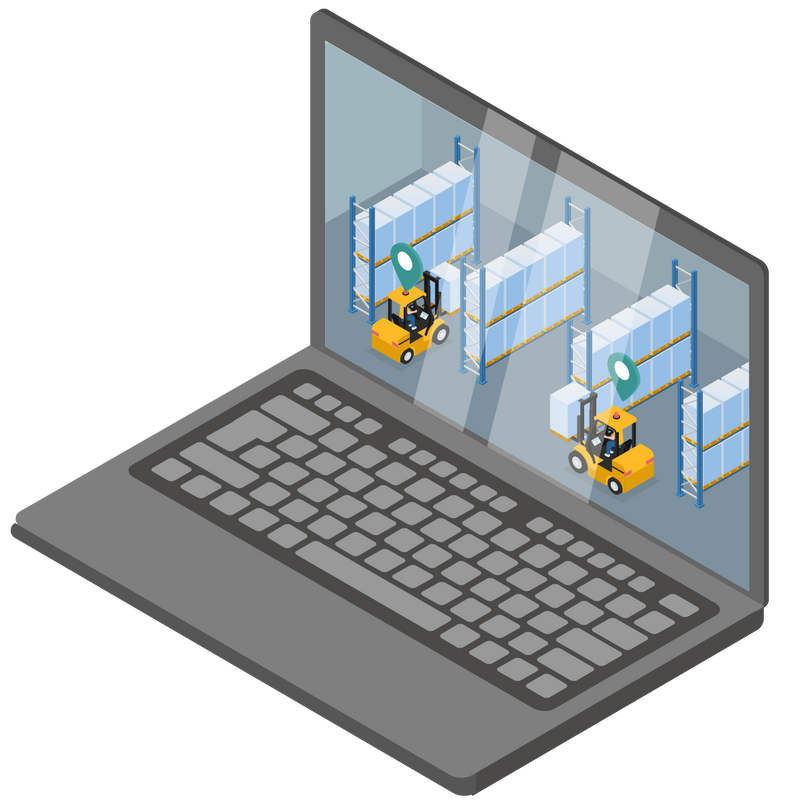
Fleet Managment for Industrial Trucks
- Predictive maintenance planning
- Efficient vehicle management
- Recording of forklift activities

Control of Picking Orders
- Optimizes picking processes
- Efficient assignment of jobs
- Improves the accuracy of picking
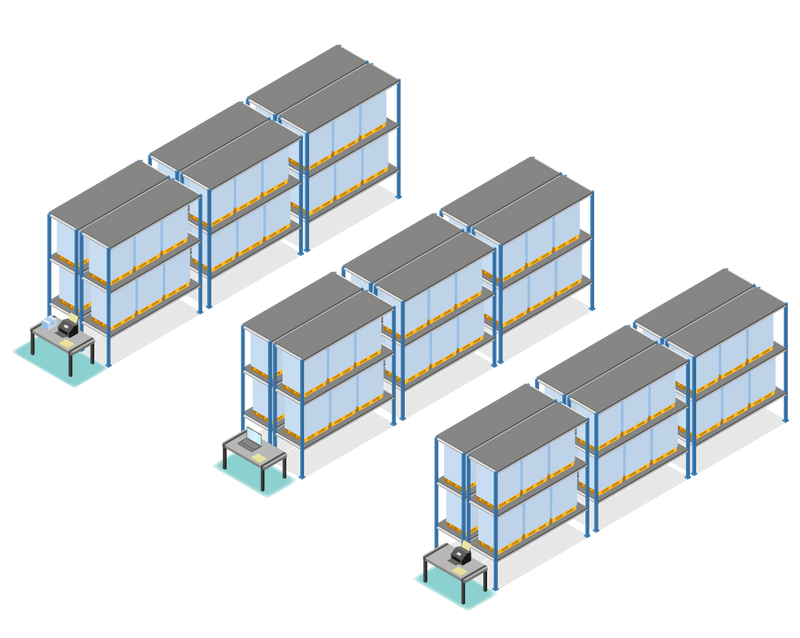
Resource Distribution Strategy
- Distribute auxiliary as needed or tasked
- Reduction of waiting, walking and searching times
- Increase control over tools
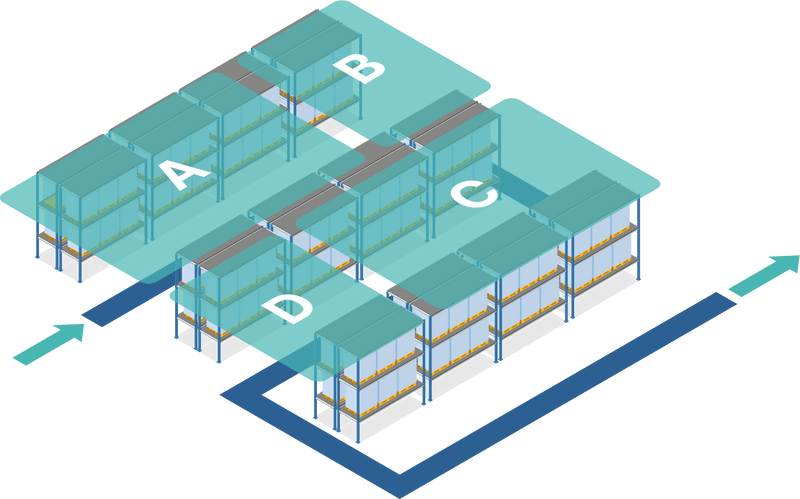
Clustering of Storage Locations
- Analysis and redistribution of goods
- Store frequently picked articles next to each other
- Inclusion of dynamic changes to the article combinations
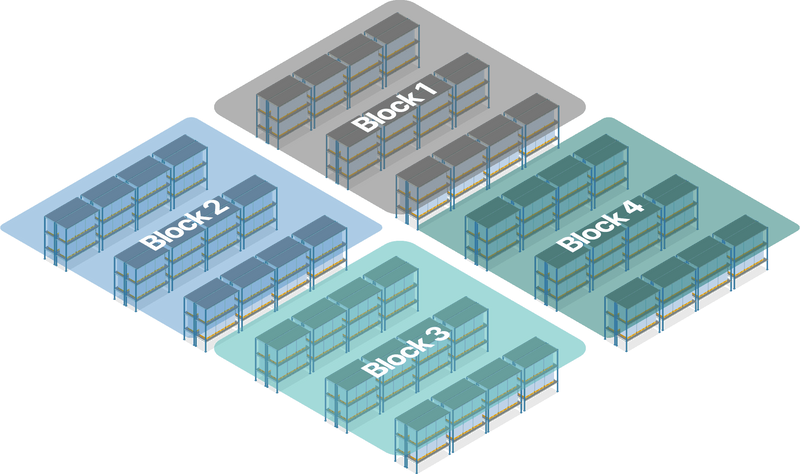
Zone Picking
- Organizational division of the work area
- Possibility of serial or simultaneous processing of the zones
- Optimization of the zones according to article properties