Physical AI – Physical Artifical Intelligence
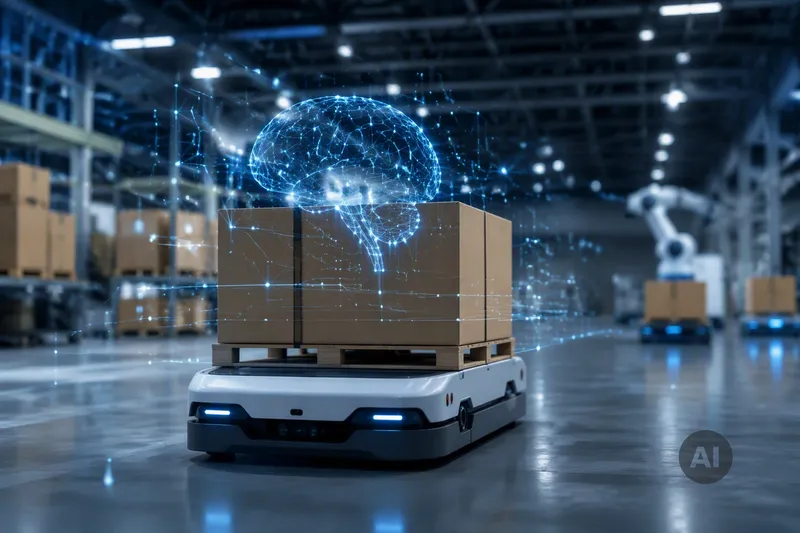
Physical AI: When Artificial Intelligence Sets Machines in Motion
Artificial intelligence is increasingly evolving from purely software-based applications to systems that actively interact with the real world—systems that are encompassed by a new term: Physical AI. As explained by IBM , Physical AI refers to certain AI systems that enable machines and robots to perceive their environment, make decisions, and act independently. Physical AI is becoming increasingly important, particularly in logistics: Faced with rising delivery volumes, complex supply chains, and a growing shortage of skilled workers, companies are increasingly turning to intelligent robots and automated warehouse solutions. From an interview with Mei-Jung Chen (Managing Director and Partner Taipei, Boston Consulting Group) from May 2026 makes it clear that Physical AI is fundamentally transforming industrial automation by combining artificial intelligence, sensor technology, and automation. Physical AI can adapt to existing and dynamic environments designed for humans, thereby operating more flexibly and efficiently than traditional automation systems.
What is Physical AI?
Physical AI, also known as “embodied AI,” can not only analyze data but also act directly in the physical world through sensors and actuators. Unlike traditional AI systems, which, for example, generate text or recognize patterns in data, Physical AI can independently interact with its environment.
The combination of sensors, cameras, actuators, machine learning, and modern computing power enables Physical AI systems to perceive their environment in real time and respond dynamically to changes. As a result, machines are increasingly able to take on tasks that were previously performed exclusively by humans. Physical AI is particularly well-suited for use in repetitive and physically demanding tasks.
How does Physical AI work?
Physical AI combines digital intelligence with physical devices. The system collects data via sensors, cameras, or other measuring instruments. The AI then analyzes this information, assesses the situation, and makes decisions. These decisions are translated into concrete actions via motors, robotic arms, or other actuators.
For example, an autonomous vehicle detects other road users, analyzes the traffic situation, and autonomously adjusts its steering, acceleration, and braking.
What types of physical AI are there?
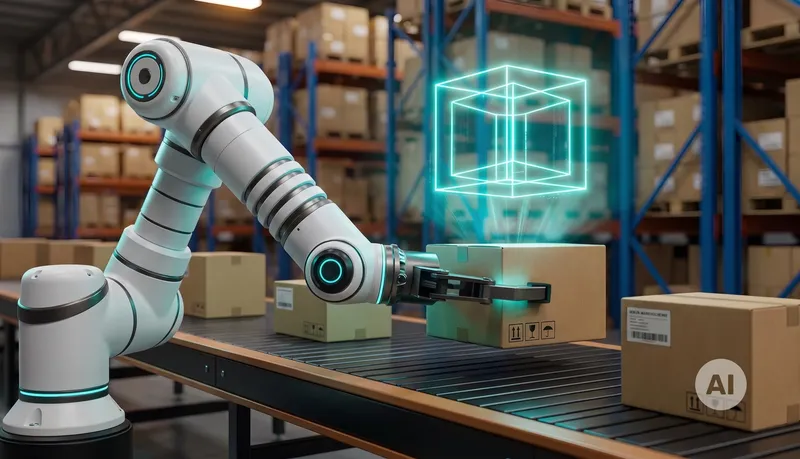
There are various types of Physical AI used in logistics, each designed for different applications and operating modes.
1. Autonomous Robotics
Autonomous robots are the best-known form of physical AI. They can perform tasks without constant human control. Typical examples include Picking Robots, Pick-and-Place Robots and Palletizing and Depalletizing Robots.
2. Autonomous Vehicles
Self-driving vehicles use Physical AI to navigate safely through their environments. They are capable of detecting obstacles, people, and other vehicles and making autonomous decisions about how to respond. Examples include Automated Guided Vehicles (AGV) and delivery drones.
3. Industrial Physical AI
In industry, Physical AI optimizes the efficiency of production processes. Intelligent machines detect errors early on, identify maintenance needs, and improve production workflows. In logistics, this can be used for Coveyor- or Sorting Systems can be used for this purpose, as well as for warehouse management.
4. Humanoid AI Systems
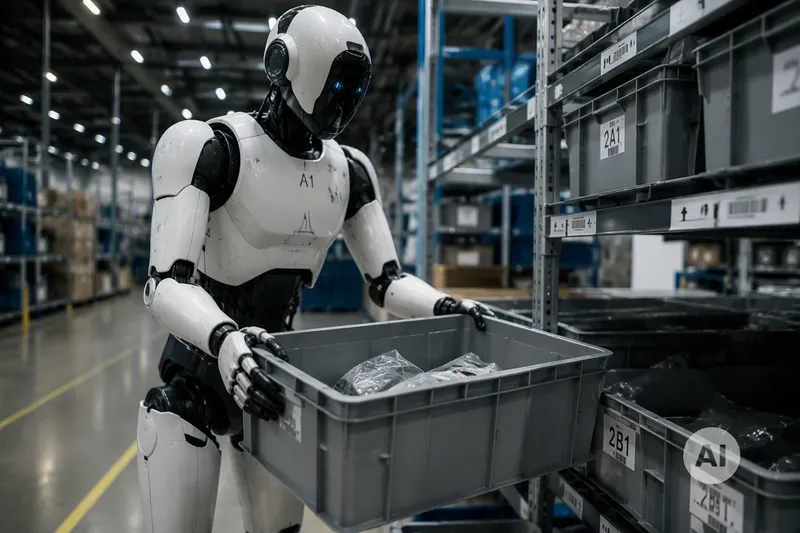
Humanoid robots are a special type of physical AI. Humanoid Robots They mimic human movements and interactions. These robots are used for handling boxes, identifying packages, and conducting inventory counts.
Physical AI opens up a wide range of possibilities for the logistics industry to make processes smarter and more efficient. The various applications demonstrate just how flexibly the technology can be used.
What are the benefits of Physical AI?
The integration of artificial intelligence with machines and robots is creating new opportunities to automate processes, use resources more efficiently, and make decisions in real time. Physical AI offers significant advantages, particularly in logistics and supply chain management.
The key benefits lie in increased efficiency and greater process reliability. Physical AI can accelerate processes and detect process deviations early on, thereby reducing error rates and optimizing the quality of logistics operations.
Other benefits of Physical AI include:
- Higher productivity through smart automation
- Reduction of manual and repetitive tasks
- Optimized use of storage and transportation capacity
- Better scalability as order volume increases
- Support for addressing labor shortages and staffing crises
How is Physical AI changing the world of work and businesses?
Physical AI is changing the way machines interact with their surroundings. While traditional automation systems rely on fixed rules and predefined processes, Physical AI systems can respond dynamically to their environment and act autonomously.
As Physical AI becomes more widespread, workflows are changing across many industries. Intelligent robots, autonomous vehicles, and connected machines are taking over tasks that were previously performed manually or required continuous human control. At the same time, physical systems are becoming more closely linked to digital data sources, which significantly increases transparency in processes.
Physical AI is increasingly blurring the lines between digital intelligence and physical execution.