Humanoid Robots
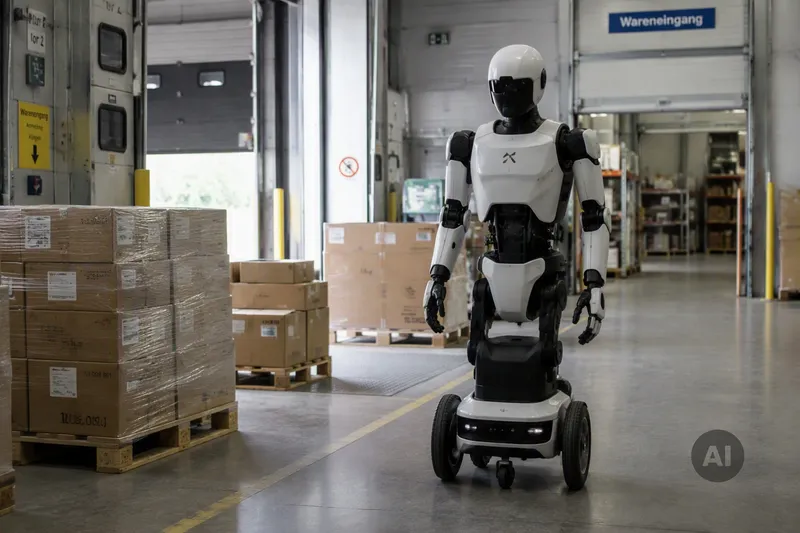
Humanoid Robots: How Human-Like Robots Are Changing Our World
Humanoid robots are among the most exciting developments in modern robotics. They resemble humans, move with increasing naturalness, and – thanks to artificial intelligence – can take on increasingly complex tasks. Whether in industry, healthcare, logistics, or customer service, humanoid robots are evolving from futuristic concepts into real-life helpers in everyday life and in the workplace.
What are Humanoid Robots?
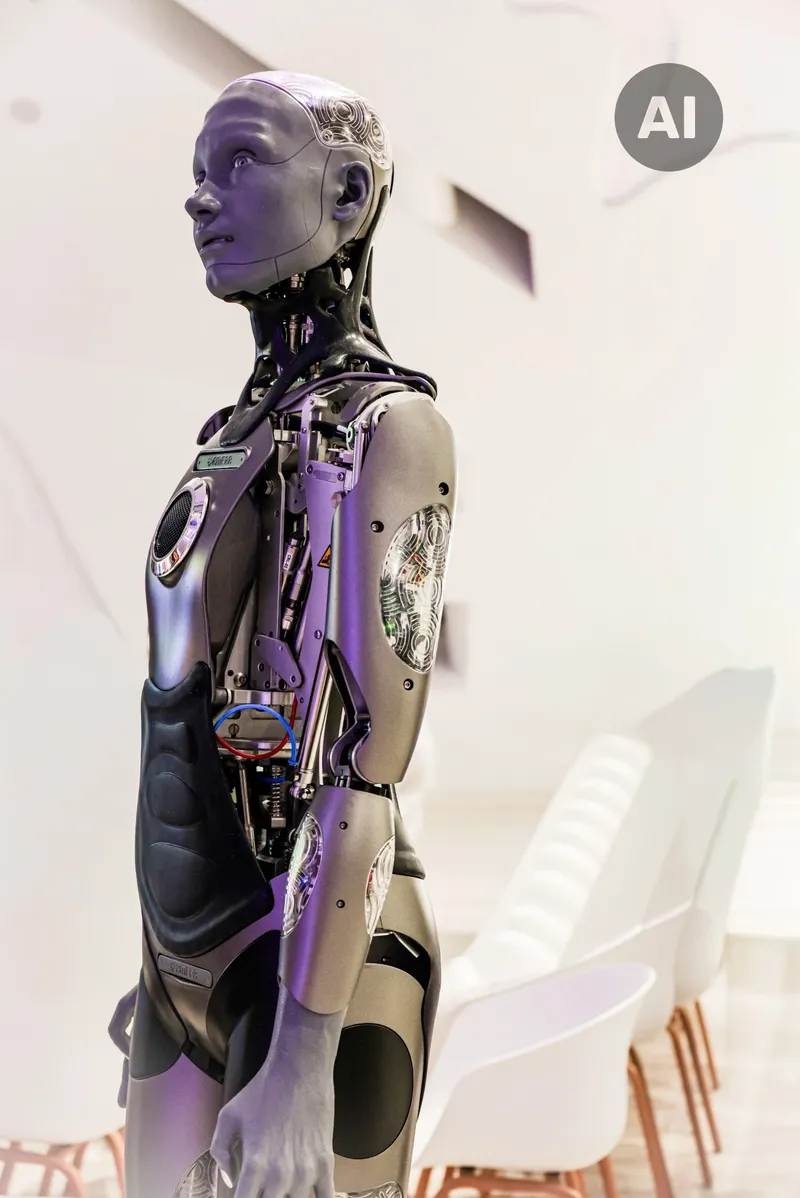
Humanoid robots are intelligent machines modeled after the human body and based on artificial intelligence systems. Their structure resembles human anatomy. They have a head, torso, arms, and legs. Their hands are often equipped with modern gripping systems that allow them to perform tasks previously carried out by humans. The movements of these AI-powered robots are modeled after human movement patterns. They can move on two legs (bipedal) or on wheels. Humanoid robots can communicate with people and their environment through voice control. Thanks to the integration of artificial intelligence, these robots make decisions independently, act autonomously, and continuously learn from experience.
The goal of humanoid robotics is to integrate robots into human environments without having to fundamentally change existing processes. Since buildings, tools, and workplaces were designed for humans, humanoid robots can make particularly efficient use of these structures.
How do Humanoid Robots work?
The capabilities of modern humanoid robots are based on the intelligent interaction of various technologies. To enable them to move safely and independently in their environment, they are equipped with a wide range of sensors. Cameras, as well as radar, lidar, and touch sensors, monitor the environment in real time and continuously provide information about obstacles, people, and objects. Based on this data, robots can analyze their environment and respond appropriately to changes.
Modern AI systems process the collected data, recognize patterns, and make decisions on their own. This enables humanoid robots to respond flexibly to new situations and adapt their actions to different requirements.
Humanoid robots use so-called actuators and high-precision drive systems to move. Electric motors enable complex movement sequences modeled after the human musculoskeletal system. This allows them to walk, climb stairs, maintain their balance, and safely grasp and transport delicate objects.
Many humanoid robots are equipped with powerful speech processing technologies. Using natural language processing (NLP), they can understand spoken language, answer questions, and communicate with people in a natural way. This enables them to work closely with people.
Where are Humanoid Robots used?
Autonomous robots can be used in various industries and fields. Some examples include:
Industry and Manufacturing
In industry, humanoid robots are among the most promising innovations in modern automation. They assist companies with assembly work, perform quality control checks, and transport materials within production facilities. In addition, they can carry out maintenance tasks and monitor production processes. Because humanoid robots move in a manner similar to humans and are designed for existing work environments, they can often be integrated into existing production lines without major modifications.
Logistics and Warehousing
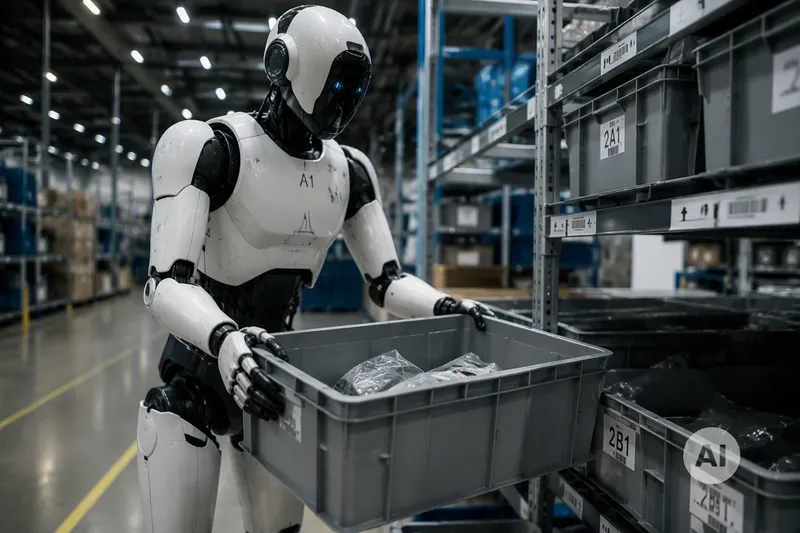
In logistics and warehousing, too, humanoid robots open up new possibilities for process optimization. They can pick goods, sort packages, and load and unload transport vehicles. They also assist with inventory management by recording stock levels and documenting warehouse movements. By taking over physically demanding and repetitive tasks, these robots can reduce the workload on employees while simultaneously increasing productivity and efficiency.
Health Care and Nursing
Humanoid robots can help alleviate the burden on the healthcare system. For example, they can assist caregivers in transporting medications, remind patients when to take their medications, or provide simple companionship and assistance. Although humanoid robots cannot replace human care, they make a valuable contribution to reducing the workload in nursing facilities and hospitals and help organize daily care more efficiently.
Customer Service and Retail
In customer service and retail, humanoid robots are increasingly being used as intelligent assistants. Thanks to advanced speech processing, they can greet customers, answer questions, or provide advice on product selection. Multilingual communication is possible. Their human-like appearance and the nature of human-machine interaction ensure a pleasant user experience.
What are Advantages of Humanoid Robots?
Humanoid robots offer companies the particular advantage of being able to be deployed in work environments where people currently work. These intelligent robots can use and operate existing tools and machines without requiring extensive modifications.
Many industries, including manufacturing, logistics, healthcare, and services, are affected by the growing shortage of skilled workers. Humanoid robots can take on specific tasks in these sectors and provide targeted relief to employees, allowing existing skilled workers to devote their time to more challenging and value-added activities. These autonomous robots show no signs of fatigue or fluctuations in performance while working and can operate continuously. They do not replace humans, but rather serve as a supportive workforce that takes on routine tasks, physically demanding work, or simple assistance tasks. This enables companies to better mitigate staffing shortages and ensure their productivity.
According to a survey of professionals and executives in the logistics industry conducted by the Fraunhofer IML (Link to the study), there is further potential in automating manual process steps, replacing existing automation solutions, and increasing efficiency.
What Challenges are associated with Humanoid Robots?
Despite rapid technological advances, humanoid robots still face several challenges. One of the biggest hurdles is the high cost of development and acquisition, which has so far limited their widespread use. At the same time, human-like movements and complex AI applications require a significant amount of energy, which is why high-performance, long-lasting battery systems are crucial.
Another challenge is ensuring safe collaboration with people. Humanoid robots must be able to reliably perceive their surroundings, assess risks, and act in a controlled manner at all times. Added to this are issues of acceptance, as many people remain skeptical about the use of intelligent machines in their daily work.
Legal, ethical, and data protection considerations are also becoming increasingly important. Companies and developers must ensure that humanoid robots are used responsibly and comply with applicable regulations. The successful introduction of adaptive robots therefore depends not only on technical advances but also on social and regulatory frameworks.