Digital twin

Digital twin - intelligent real-time models for greater efficiency
A digital twin is a digital image of a real object, process or system - such as a machine, warehouse or supply chain. This model is continuously supplied with real-time data from the physical world and thus forms the basis for precise monitoring, analysis and optimization of processes.
Digital twin - Solves the following Problems!
Select one of the problems. You will receive instructions that you can use to calculate optimization potential..svg)
Malfunctions (e.g. Machine Downtimes)

Understocking or Overstocking

Waiting between Process Cylces

Very long distances
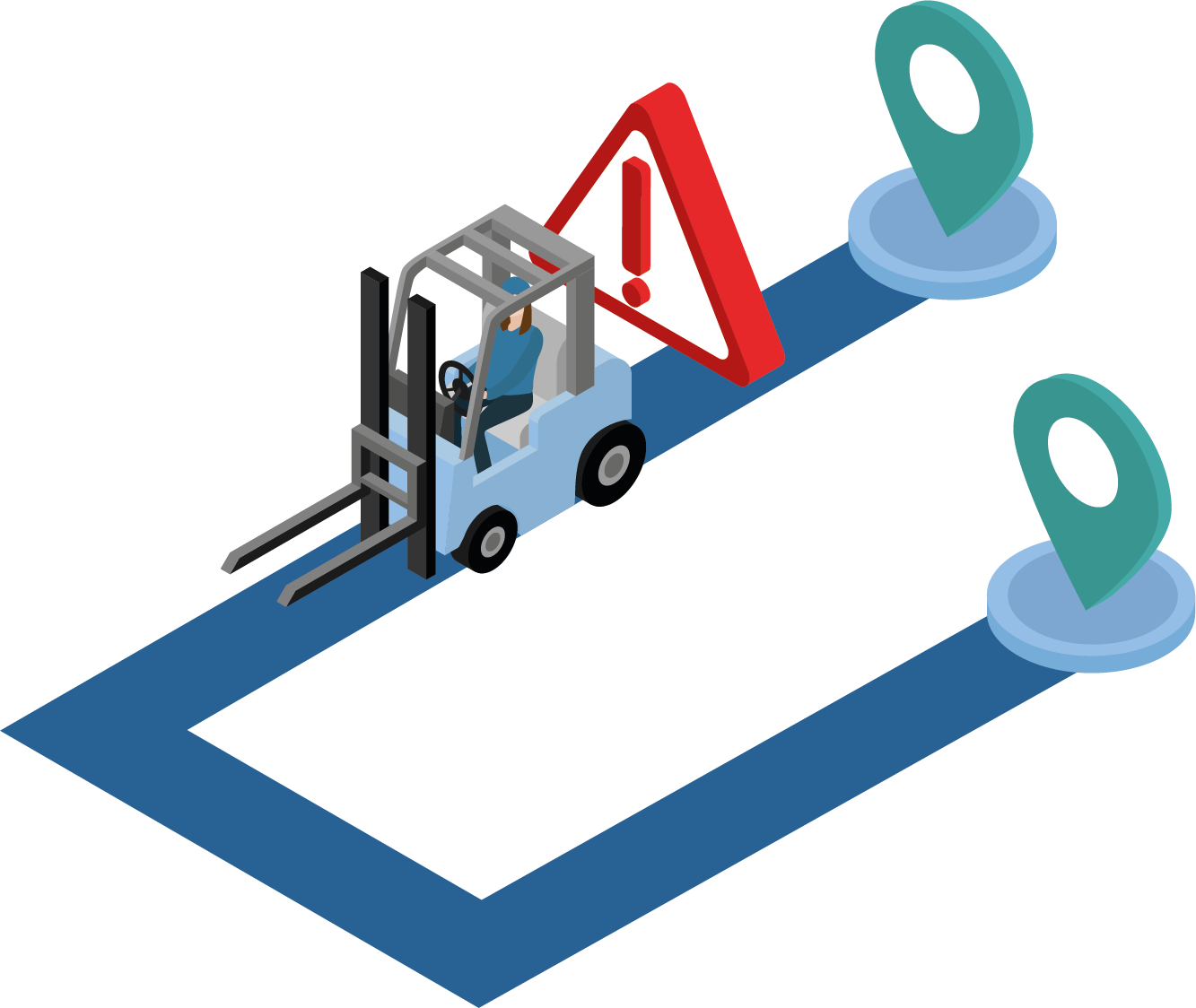
Vehicle Waiting Times
Very long wait times in traffic
Digital twin - Find the Right Offering for You
Select products and receive detailed information. You can use the platform to contact product suppliersDigital twin - The Solution can be Combined with the Following Solutions
Here you can find solutions, which can be combined with the presented solution.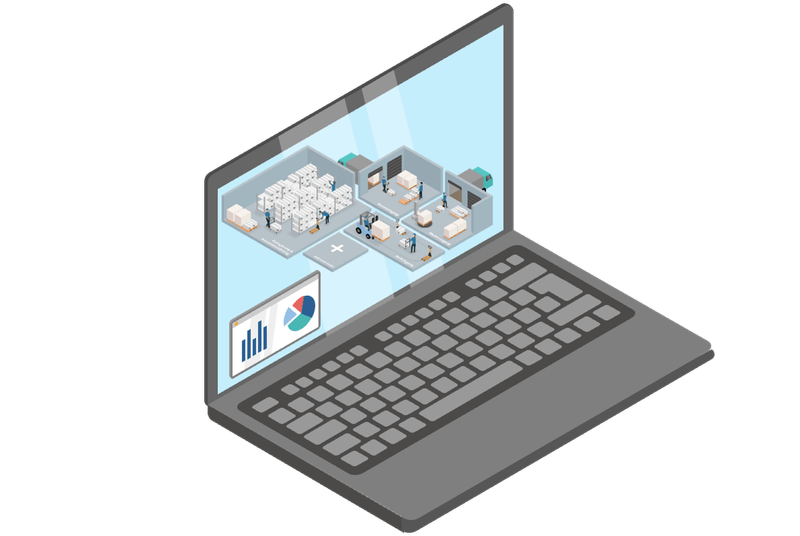
Warehouse Management System – WMS
- Transparency about stock levels and lead times
- Automation of processes as well as support for data collection and calculation of key figures
- Often modular structure enables selection of software modules according to requirements
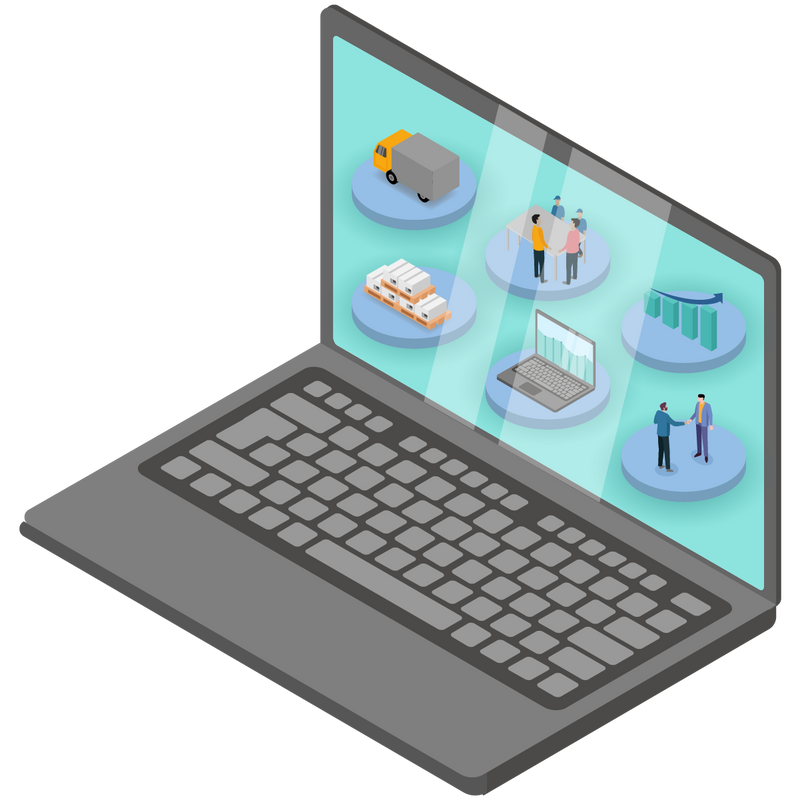
Enterprise Resource Planning – ERP-System
- Support for business decisions
- Improvement of the resource management
- Central database for transparency
Digital twin - The Following Solutions can also Solve the Pain Point
Here you can find other solutions, which are suitable for the optimization of the pain points (Malfunctions (e.g. Machine Downtimes)) as well as variants of the current solution.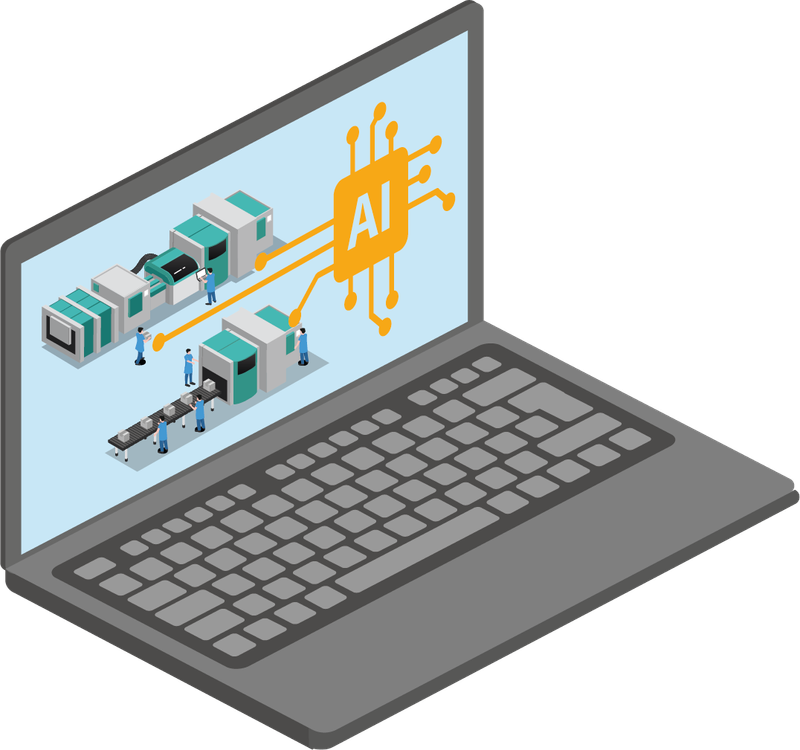
AI Training for Process & Production
- Practical AI training for real-world processes
- Quick skill development without prior technical knowledge
- Direct link between training and application
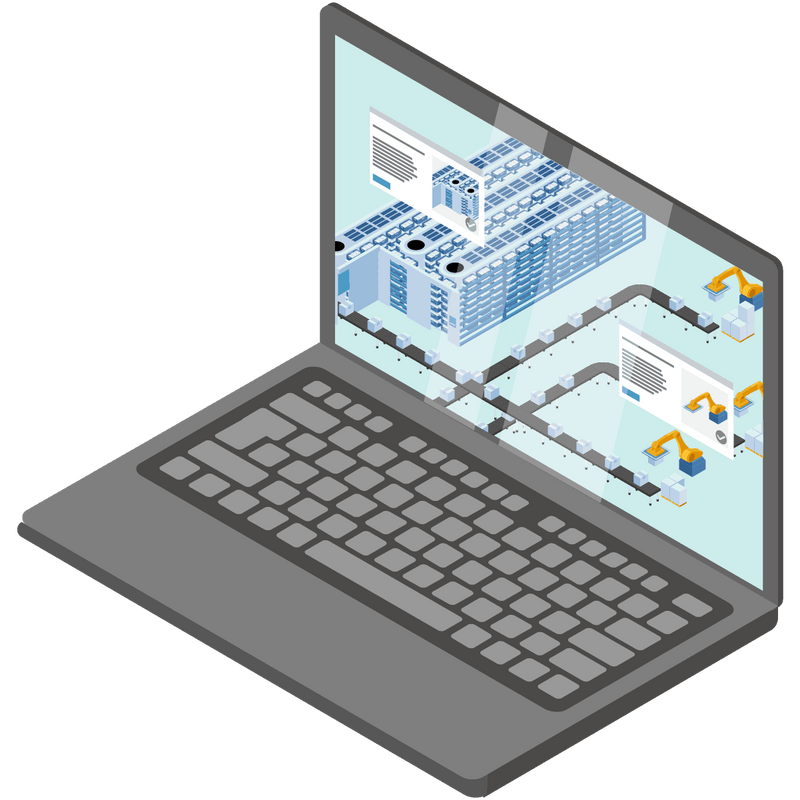
Unified Control System
- Integration of various control components
- Increased efficiency and interoperability
- Reduction of complexity
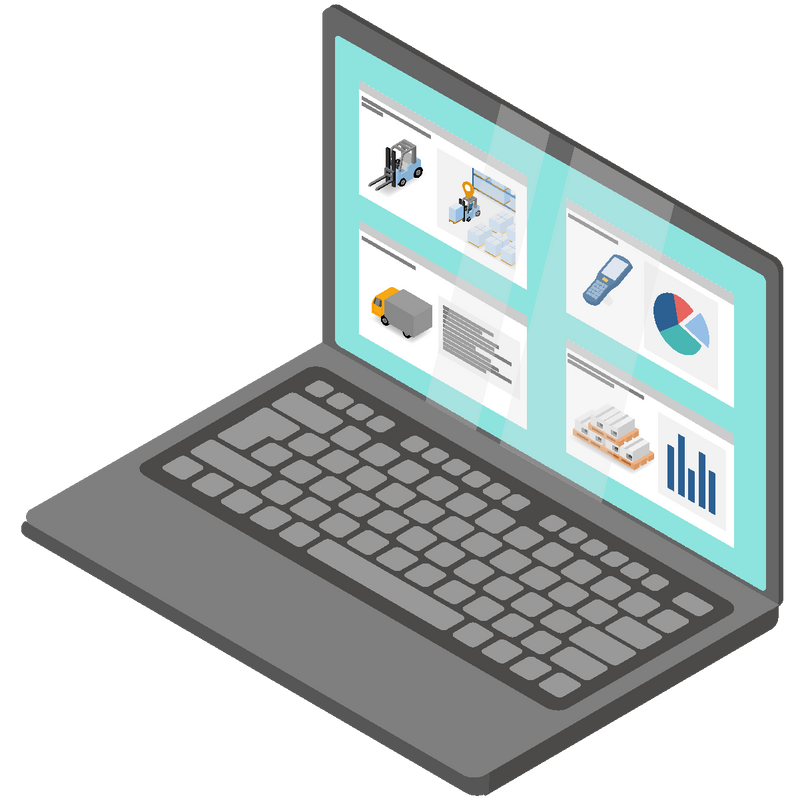
Asset Management
- Tracking of inventory
- Management of multiple types of assets
- Maintenance management
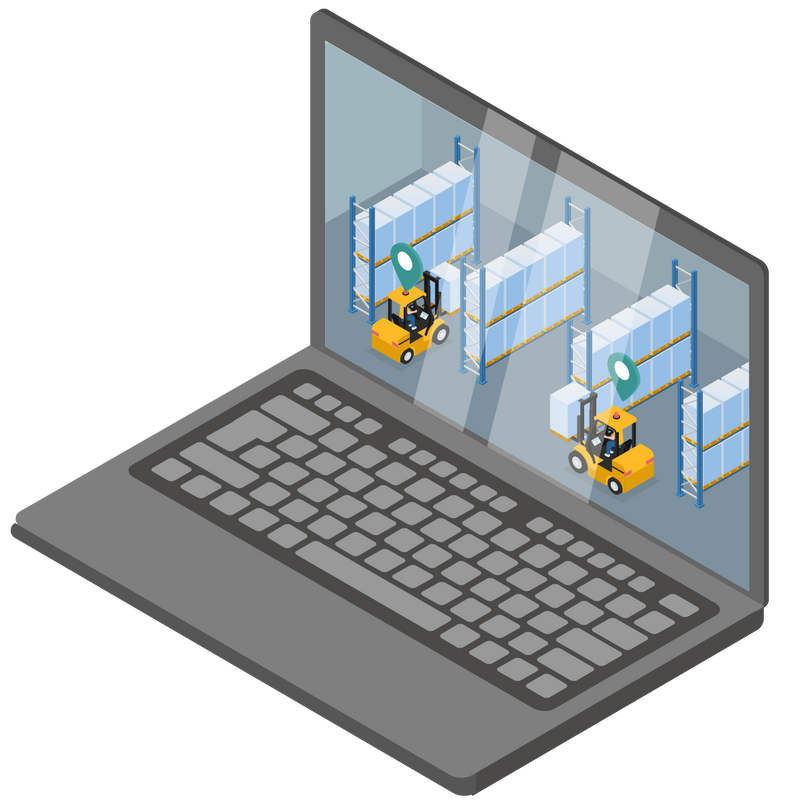
Fleet Managment for Industrial Trucks
- Predictive maintenance planning
- Efficient vehicle management
- Recording of forklift activities
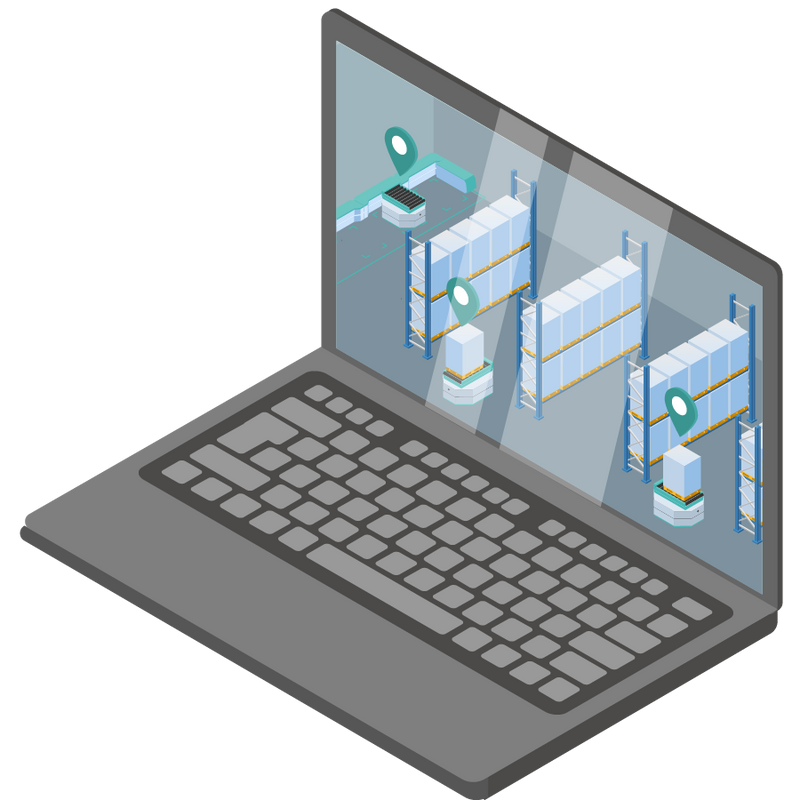
AGV-Fleet Management
- Plans utilization of the AGV
- Improves maintenance
- Visualizes processes and plants
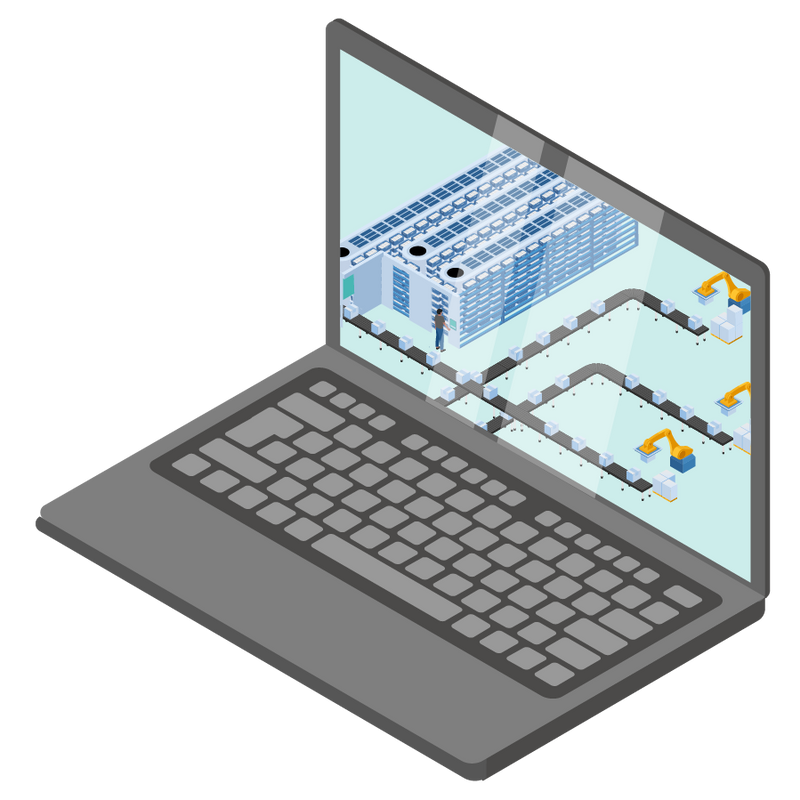
Material Flow Control
- Improves efficiency, reduces costs and increases productivity
- Tracks inventory, plans production and optimizes transport routes
- Manages and optimizes the movement of materials in the plants
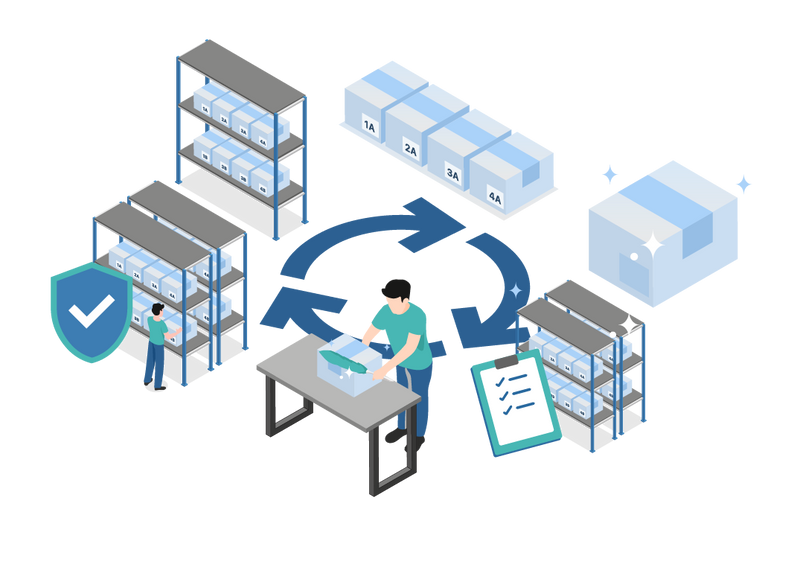
6 S System
- Optimizing working environments in six steps
- Increazing productivity and quality of work
- Creating an orderly, clean and safe working environment
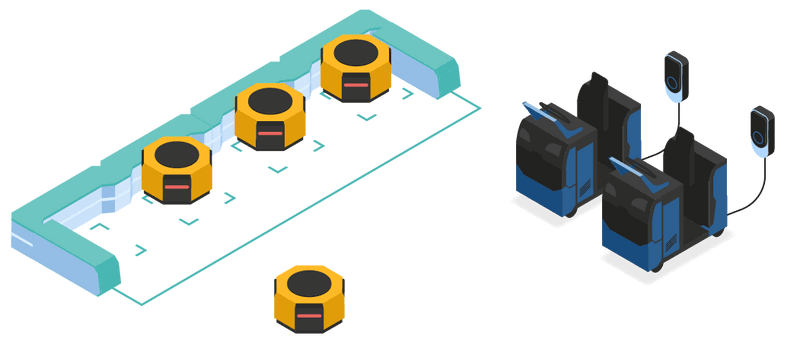
Charging Systems
- Stationary, battery-changing, inductive charging system variants
- Arbitrary placement in the warehouse
- Loading vehicles or auxiliary equipment