#DiscoverTheDifference: System-independent logistics planning with Klinkhammer
The Myth:
Automating warehouses – that is possible even without detailed planning. The solutions offered by various warehouse system suppliers are sufficient. In practice, this assumption usually proves to be inadequate.
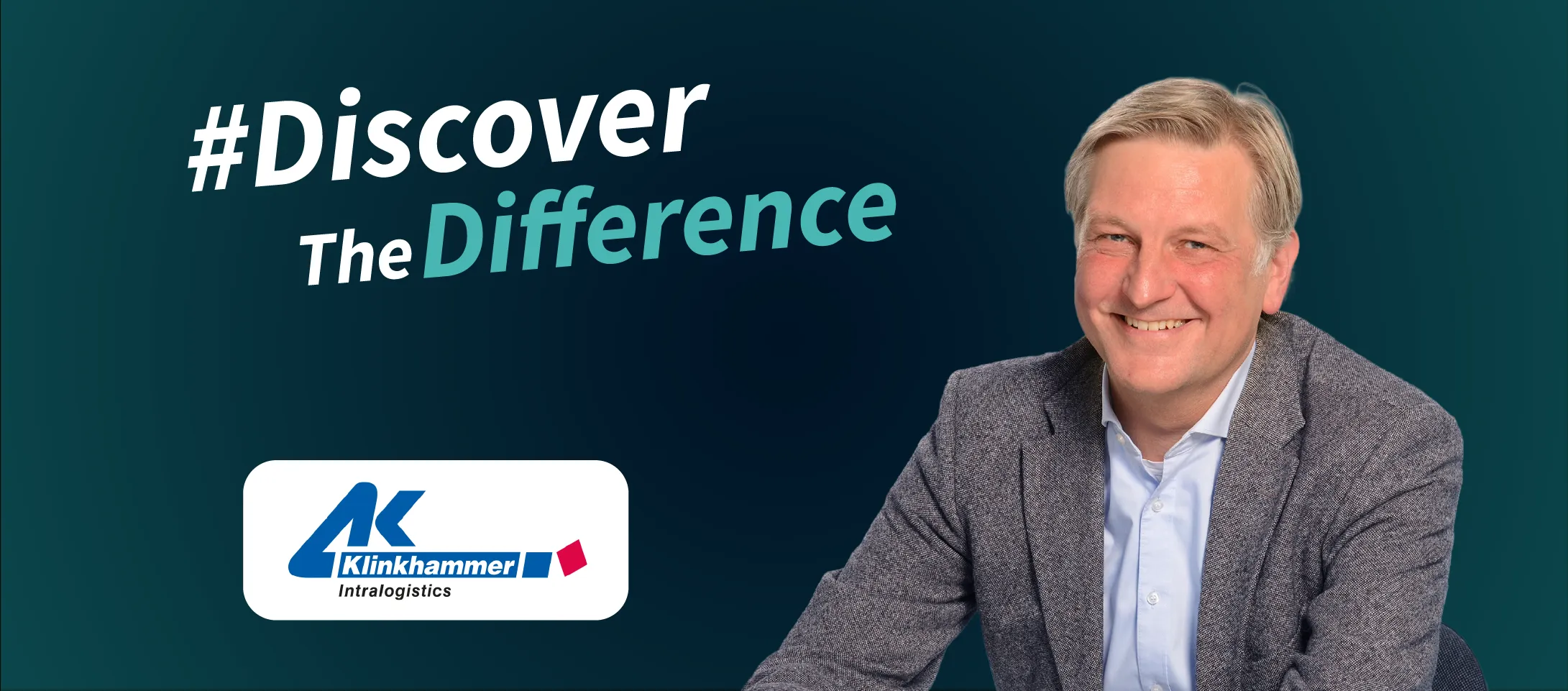 Dr. Dirk Liekenbrock, Head of Planning Klinkhammer Intralogistics – shaping future‑ready and efficient intralogistics solutions from concept to implementation.
The reality:
Yet reality shows that the variety of warehouse and order-picking systems available on the market today is enormous. Every supplier claims to have the best system. But which logistics solution is the right one – cost-optimised and precisely tailored to the company’s requirements?
The following three stumbling blocks illustrate why manufacturer-independent planning from the very beginning is crucial for cost efficiency and long-term success:
Stumbling block 1: Inadequate data and demand analysis
One of the most common reasons for failed implementations of automated warehouse systems is inadequate data and demand analysis. Often, important factors such as future growth forecasts, seasonal fluctuations, specific requirements of the products, as well as special order structures and material flows are not sufficiently taken into account. This can lead to errors in the selection of the system and result in it being oversized or undersized.
The Difference 1
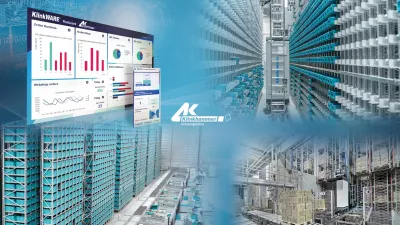
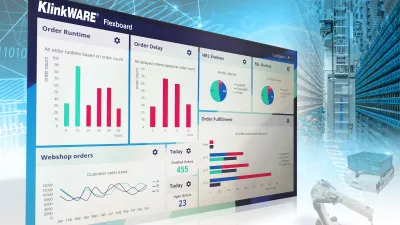
Detailed data on current and future requirements should be collected and systematically analysed. Using the database-driven, in-house developed Business Intelligence tool, the system integrator Klinkhammer Intralogistics can automatically evaluate and interpret extensive ad hoc analyses of many millions of transaction records, master data or stock information. This enables bottlenecks to be quickly identified and resolved.
Stumbling block 2: Taking too narrow a view when selecting the right storage system
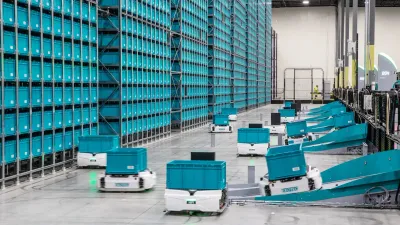
When selecting an automated storage system, it is crucial not to take too narrow a view. There is a wide variety of systems available, such as traditional high-bay warehouses with stacker cranes, shuttle systems, autonomous mobile robots, automated guided vehicles, or robotic order picking. But which is the right one? Each of these systems has specific advantages and disadvantages.
The Difference 2
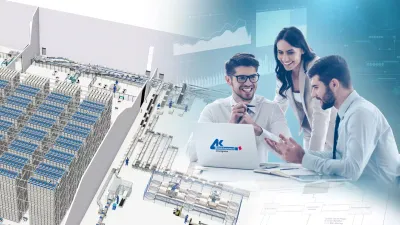
Klinkhammer utilises system components from numerous established manufacturers on the market, giving it access to a broad portfolio of solutions. A professional comparison of options guarantees a manufacturer-independent view of the most technologically and economically viable solution. Partial automation or manual systems can also be cost-effective and should be considered as potential solutions. A comprehensive requirements analysis, taking into account factors such as stored goods, storage capacity, throughput, space utilisation, flexibility, staffing requirements, an investment cost estimate and scalability, is essential in this regard.
Stumbling block 3: Neglecting peripheral processes and infrastructure at the start of planning
A common problem is the lack of analysis of special processes and of existing and future infrastructure. 90% of processes can usually be addressed using standardised procedures and are the focus of all project stakeholders. However, how are special processes – which remain of great importance – integrated into the material flow?
The Difference 3:
All processes should be included in the requirements analysis and classified by importance in order to evaluate both automated and manual solutions. Particular attention should be paid, for example, to special packaging for sensitive goods, sea freight, finishing processes, customer-specific processes or order consolidation with goods from other areas. Infrastructural aspects such as existing buildings, fire safety, air conditioning, regulatory requirements, floor loads and general building specifications also have a significant influence on the selection of an intralogistics system.