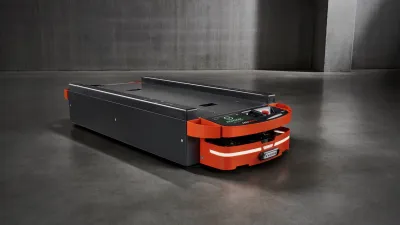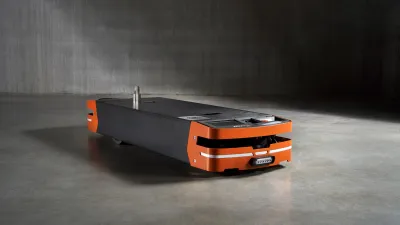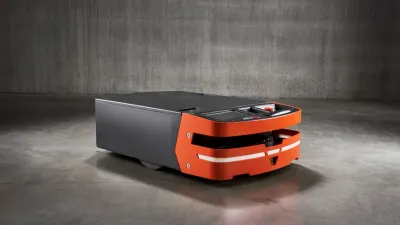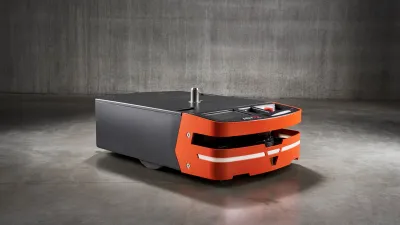
#DiscoverTheDifference: Automating goods-to-person processes with mobile robots
'For the time being, we are holding off on automating our intralogistics with mobile robots.'
Many companies are reluctant to automate internal goods flows due to uncertainty. High initial investments tie up capital in the long term, and market and volume developments are difficult to predict. There is also a concern that systems will lose flexibility if product ranges or business models change. Companies also fear becoming dependent on suppliers' technology and experiencing lock-in effects. Automated systems appear to be more susceptible to downtime, as disruptions can block central processes. There are also organisational risks, such as changing roles, skills gaps and internal resistance, which are difficult to plan for. Overall, there is a prevailing sense of uncertainty regarding future viability, adaptability and loss of control in dynamic markets.
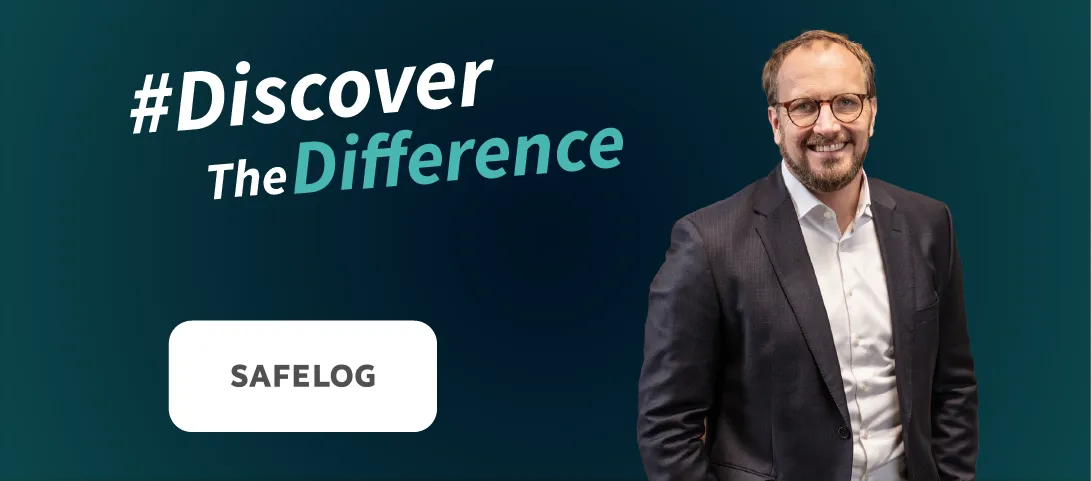 Mathias Behounek, Managing Director of SAFELOG – creating transparency and efficiency through intelligent, networked logistics robotics
Recognizing the advantages of automation
The perceived uncertainties mainly relate to loss of control, high investment costs, and lack of flexibility. In reality, many of these fears prove to be unfounded: Mobile, modular goods-to-person systems are scalable and can be expanded step by step. Savings are achieved through reduced walking distances, fewer errors, and more stable processes. At the same time, added value increases because throughput and service levels can grow without a proportional increase in personnel. Ergonomically, workers benefit from less lifting, walking, and monotonous strain.
At its core, the problem is therefore not the technology, but strategic decision-making uncertainty. Often, there is a lack of reliable data, clear objectives, and a sound assessment of future requirements. The risk is overestimated because the reality of one's own processes is not sufficiently transparent.
How automation works in reality
Why is a goods-to-person system from SAFELOG the logical solution for many companies? Because it addresses precisely where the greatest uncertainties arise.
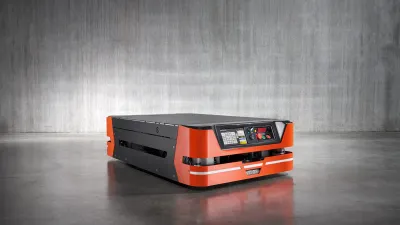
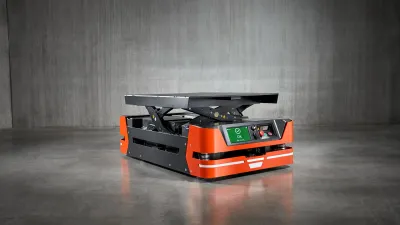
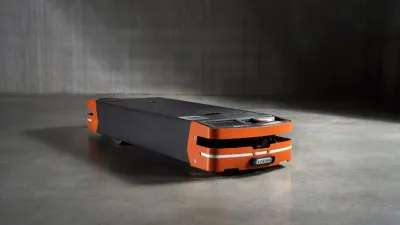
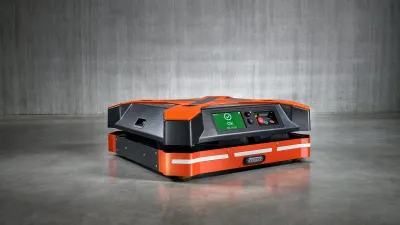
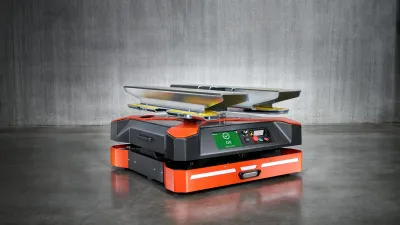
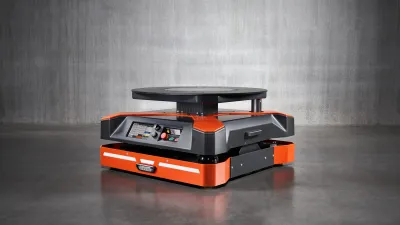
Companies fear high one-time investments, lack of flexibility, and complex system dependencies. That's why we take a modular approach. Our mobile robots enable step-by-step scaling: additional vehicles gradually connect additional workstations and storage areas. The automation solution is not introduced in a “big bang” but in a controlled manner and according to demand.
The key difference lies in our swarm-based software architecture. Instead of a central authority that dictates every movement, our mobile robots organize themselves decentrally. Tasks are distributed within the swarm and decisions are made locally. This increases the robustness of the overall system and avoids classic bottlenecks and failures of the entire system. If one vehicle fails, the swarm takes over.
At the same time, we integrate goods-to-person not as an isolated robot solution, but as an end-to-end system, from transport logic to workplace design. This results in stable, predictable processes with reduced walking distances, lower error rates, and measurable productivity gains.
Our approach offers clear ergonomic advantages, too: workers can stay at their workstations, which eliminates the need for heavy or monotonous work and long walking distances. This increases efficiency and sustainability in personnel deployment.
Therefore, the automation of goods-to-person processes does not represent a technological leap into the unknown. It is a controllable and scalable development of existing processes that enables robust, flexible and future-proof intralogistics. The key lies in the software, which simplifies the resolution of many process issues compared to a complicated technical approach. Form
Discover the difference at LogiMAT 2026
Visit us at LogiMAT 2026 in Hall 5, Booth C29 to learn how you can automate your intralogistics with goods-to-person solutions.
Form
#DiscoverTheDifference – because every G2P process deserves a chance at automation.
Über den/die Autor:in: Alex Strunz, Manager Communications & PR, SAFELOG GmbH