MDE Devices, Back of Hand Scanners & Ring Scanners
Overview of Logistics Technologies: The Relevance of Scanners
Many logistics and production processes depend on information having to be exchanged and stored at various points. Ususally an exchange takes place between a person and the system. For example, the person receives information about the storage location, the quantity or the quality of the goods to be processed. At the same time, information such as the quantities removed or produced, stock shortages or processed orders must be returned to the system. The use of scanners in particular has proven to be a "revolutionary" way of efficiently recording and processing information. In this blog post, we would therefore like to explain the advantages and disadvantages of hand-held back scanners, ring scanners and MDE devices.
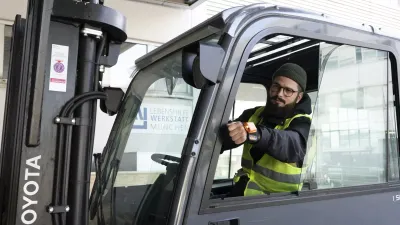
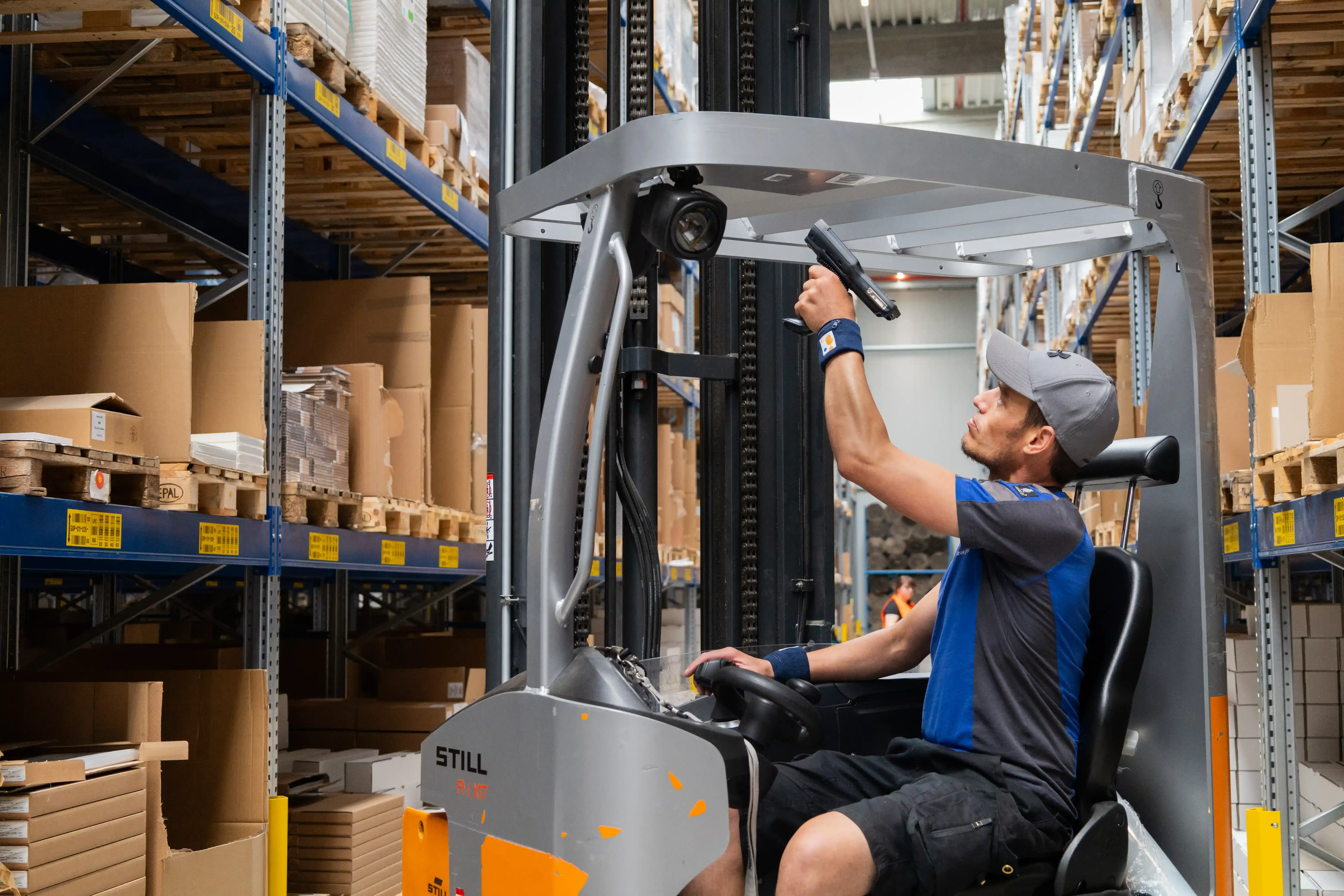 Use of an MDE device in the forklift truck process of a logistics system
Overview of the different technologies
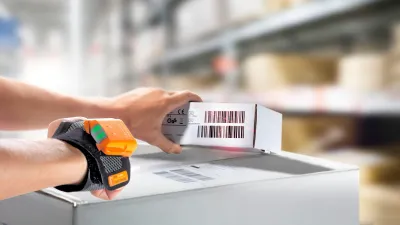
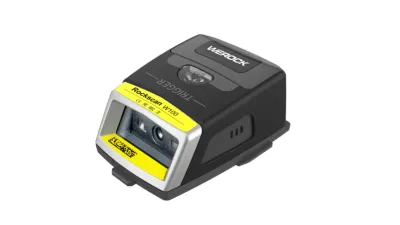
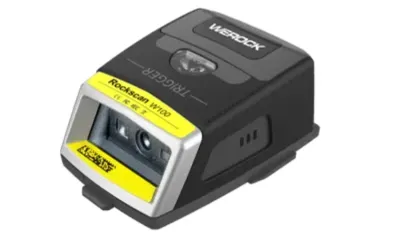
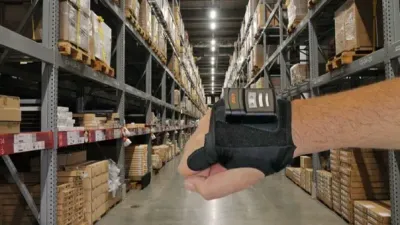
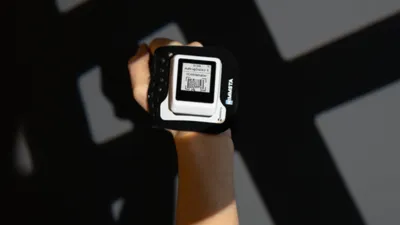
An excellent example of innovative scanner technology is the wearable scanner or back-of-hand scanner, now available from several suppliers (e.g. Nimmsta, ACD Group, Proglove and Werock). The scanner is worn on the back of the hand and uses Bluetooth 4.0 for easy pairing with mobile devices. This significantly increases efficiency and ergonomics, e.g. in order picking, as users can quickly scan barcodes while keeping their hands free for other tasks. This leads to a significant increase in productivity.
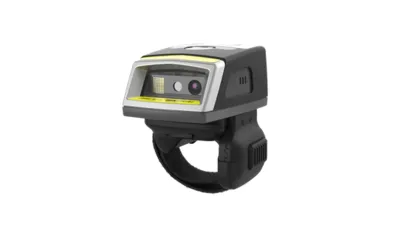
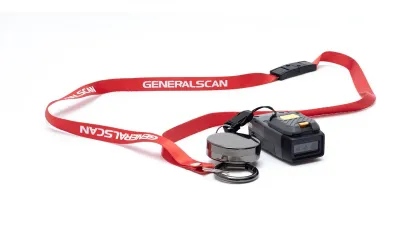
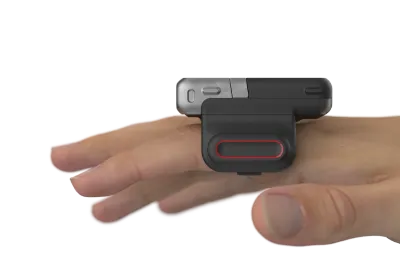
Ring scanners also enable information to be captured quickly and effortlessly by being worn directly on the finger, which optimises the workflow. Ring scanners are also available from various suppliers (e.g. Opticon, Generalscan, Werock and Honeywell).
MDE devices, on the other hand, are generally larger than back-of-hand and ring scanners. In return, they usually have a larger display and keyboards for more complex entries. There are numerous manufacturers of these devices. On our platform, for example, you will find devices from Opticon, Generalscan, Werock and Honeywell.
When choosing the right scanner, factors such as robustness, performance, battery life and convenience must be carefully considered to find the optimal solution for the company's specific requirements. Only then can the logistics chain be organised smoothly and productively, which ultimately leads to a significant increase in ROI. For this reason, we explain the advantages and disadvantages of the various technologies in detail below.
MDE devices - Mobile data collection in logistics
The term MDE device is a generic term for various technologies for mobile data capture. As a rule, all handheld devices are summarised under the term MDE (mobile data capture devices), thus differentiating them from alternative solutions such as back-of-hand scanners, ring scanners, forearm scanners and finger scanners. What they all have in common, however, is that they are equipped with a barcode scanner and can transmit mobile data via Bluetooth or WLAN. Mobile devices have thus considerably expanded the possibilities for recording data.
MDE devices are portable computers equipped with various data capture technologies such as barcode scanners, RFID readers and touchscreens. They enable users to capture, process and transfer data directly on site. These devices are often equipped with wireless communication options such as WLAN, Bluetooth and mobile communications to ensure seamless integration into existing IT infrastructures.
The functionality of an MDE device is based on the ability to capture and process data in real time. Users can scan barcodes, read RFID tags or manually enter data, which is then immediately transferred to the central system. This enables fast and accurate inventory management, order fulfilment and tracking of goods.
In contrast to back-of-hand or finger scanners, MDE devices are held in the hand. For this purpose, they either have a strap on the back or various types of handles such as pistol grips. They also usually have a larger display that can be used to make entries and read information. They can also have a full keyboard, which means that longer information entries are also possible. The size of an MDE device can vary, from the size of a smartphone to tablets.
What is a back of hand scanner?
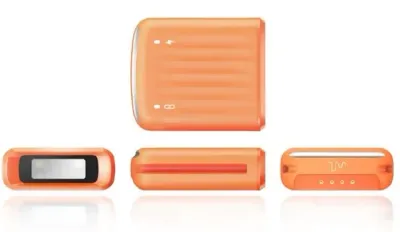
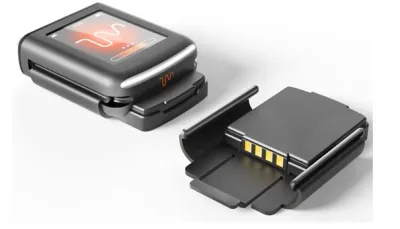
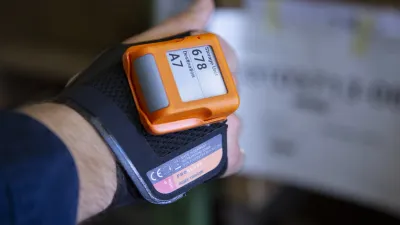
A back-of-hand scanner is a so-called ‘wearable’ that has been specially developed for mobile data capture in logistics and industry. This device is worn on the back of the hand and enables hands-free handling when scanning barcodes. The functionality of a back-of-hand scanner is based on the use of 2D barcode scanners, which utilise advanced technologies to capture data accurately. The scanning process is initiated by pressing buttons on the device so that the user can directly access the captured data. The ergonomic design of the back-of-hand scanner ensures that it is light and comfortable to wear, which is particularly important in logistical environments. In addition, the battery life of the device is optimised, enabling continuous use over longer periods of time.
Typical applications for back of hand scanners include various logistics solutions where they are used as effective MDE (mobile data capture) devices.
Modern back-of-hand scanners also have displays on which information can be shown and entries made. However, as space is limited, they are particularly suitable for processes in which little information needs to be exchanged (e.g. order picking).
What is a ring scanner and how does it differ from other scanners?
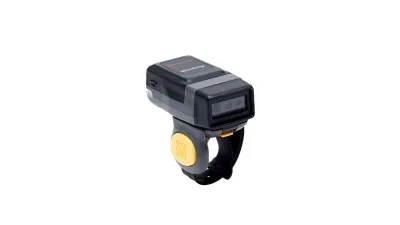
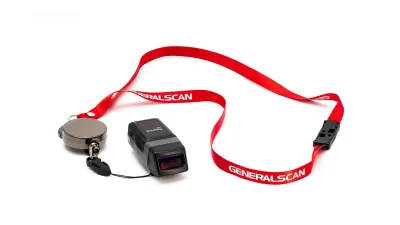
A ring scanner is an innovative development in the field of logistics solutions that stands out from other scanners due to its special design and functionality. In contrast to conventional barcode scanners, the ring scanner enables precise and hands-free scanning, which is particularly advantageous in the dynamic logistics environment. Instead of push buttons or a fixed attachment, the ring scanner utilises an ergonomic design that allows the user to wear the scanner on their finger. This wearable solution, also known as a wearable scanner, offers flexible handling by connecting to mobile devices via Bluetooth 4.0, increasing efficiency and convenience at the same time. The functionality of a ring scanner is based on the ability to scan barcodes in real time while leaving the user's hands free to perform other tasks. Models such as the Honeywell 8675i and the Zebra RS2100 are examples of modern ring scanners that are suitable for a variety of scanning operations in logistics. The Hascise handheld barcode back scanner in particular is characterised by its lightness and ergonomics, making it ideal for use in warehouses and for returns.
The ring scanner is worn exclusively on the finger and is therefore limited in size. As a rule, ring scanners therefore do not have a display or other input options. As a result, they are particularly useful in processes without input or in combination with other input technologies (e.g. Pick-by-Voice) can be used.
Comparison of the technologies:
Now that we have looked at the individual technologies - MDE devices, back-of-hand scanners, ring scanners and - in detail, it is time to draw a direct comparison. Each of these technologies has its own strengths and weaknesses, which can be weighted differently depending on the specific requirements and areas of application.
Ergonomics and user-friendliness
- Back-of-hand scanners: Offer hands-free operation and are easy to carry, minimising physical strain and increasing efficiency.
- Ring scanners: Are worn on the finger and enable fast and accurate data capture while keeping the hands free.
- MDE devices: Are versatile, but often heavier and less ergonomic than back-of-hand or ring scanners.
Performance and accuracy
- Back-of-hand scanners: High precision and fast data capture, ideal for dynamic logistics environments.
- Ring scanners: Similar precision to back-of-hand scanners, with the advantage of finger operation.
- MDE devices: Offer comprehensive data capture and processing capabilities, but are less specialised in fast barcode scanning.
Robustness and durability
- Hand-held back scanners: Robust design, suitable for use in demanding environments.
- Ring scanners: Also robust and durable, but more susceptible to damage from constant finger movement.
- MDE devices: Very robust and durable, ideal for harsh environments.
Costs and cost-effectiveness
- Back-of-hand scanners: Moderate acquisition costs, but offer a high ROI through increased efficiency.
- Ring scanners: Similar to back-of-hand scanners, but often slightly more expensive due to the special design.
- MDE devices: Higher acquisition costs, but versatile and therefore economical in the long term.
Conclusion
The choice of the right logistics technology depends heavily on the specific requirements and areas of application. Back-of-hand scanners and ring scanners offer ergonomic and efficient solutions for mobile data capture, while MDE devices impress with their versatility and robustness. In our experience, the decisive factor for choosing the right technology is, for example:
- How often does the scanner have to be put down in the process in order to be able to use both hands for work?
- How much information has to be exchanged via the device?
- Does additional input have to be made on the device and if so, to what extent?
Overall, however, choosing the right scanning technology offers great potential for maximising efficiency and productivity on the shop floor. Companies should therefore carefully weigh up the pros and cons to find the optimal solution for their logistical challenges.
If you need support with this, please feel free to contact us at any time!


-400x105.png)
-400x225.webp)
-400x225.webp)