Active vs. Passive Exoskeletons
Introduction to the World of Exoskeletons: Innovations for Process Experts
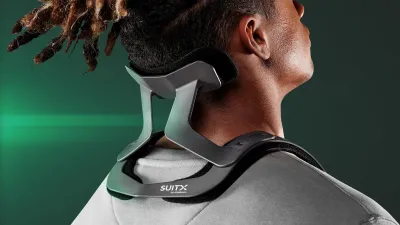
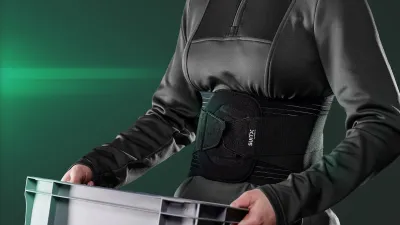
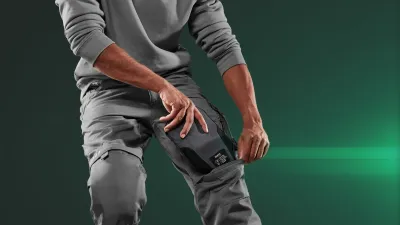
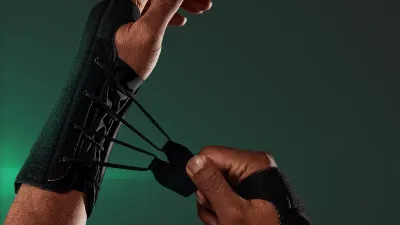
Exoskeletons are playing an increasingly important role in modern industrial production. These "wearable robots" have the potential to fundamentally change the way we work. Passive exoskeletons use mechanical elements such as springs to reduce physical strain, ideal for lifting heavy loads. Active exoskeletons, equipped with motors and sensors, provide dynamic support and increase efficiency and safety. Both types have specific characteristics and offer different advantages depending on the area of application. In this blog post, we look at the different applications and benefits of exoskeletons in industrial environments (logistics and manufacturing).
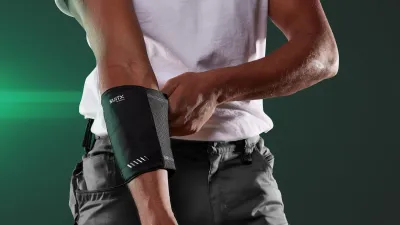
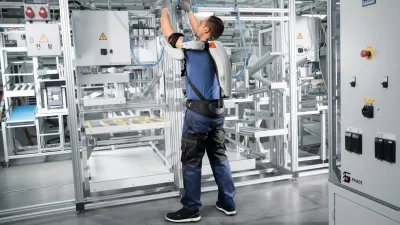
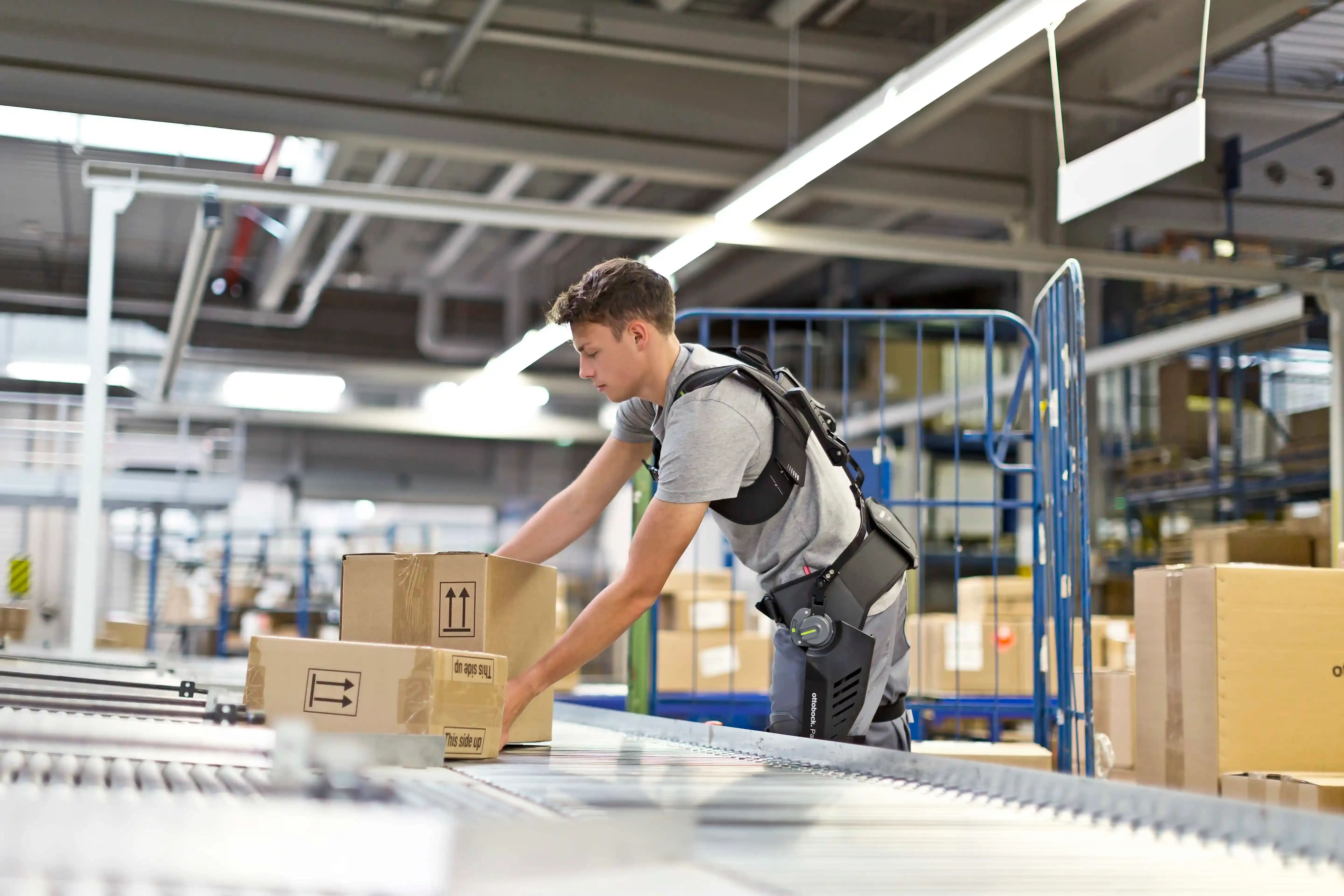 The exoskeleton reduces physical strain and increases efficiency through mechanical elements and sensors.
What Types of Exoskeletons are there?
Passive exoskeletons
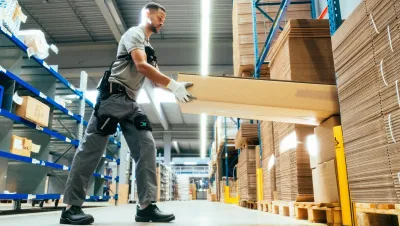
Passive exoskeletons provide ergonomic support by relieving the user's own weight without relying on external energy sources. These systems use mechanical elements such as springs or joints to facilitate load movement. Passive exoskeletons are particularly useful in industrial manufacturing or logistics processes where workers often have to lift heavy loads or perform repetitive movements. The use of passive exoskeletons can reduce fatigue and minimize the risk of injury in the workplace.
Active exoskeletons
Active exoskeletons are equipped with batteries and motorized components that support movement sequences and increase efficiency when lifting heavy loads. They dynamically adapt to the user's movements and thus improve mobility. These advanced devices provide more precise and personalized support, making them ideal for complex industrial applications. By providing dynamic support, active exoskeletons can significantly increase efficiency and safety in manufacturing, and the use of exoskeletons in industry is becoming increasingly common, especially in areas where frequent lifting and carrying is required. Relief from physical strain is a key benefit offered by both active and passive exoskeletons. Exoskeletons allow workers to perform their tasks more efficiently and with less risk of overuse injuries. When selecting an exoskeleton, it is important to consider ease of use and adaptability to individual movement patterns. Overall, active and passive exoskeletons are characterized by different modes of operation, with active exoskeletons often considered the more advanced solution as they provide direct support and actively support load movement. Nevertheless, passive exoskeletons have their own advantages, particularly in terms of simplicity and lower costs.
Main differences between active and passive exoskeletons
Passive exoskeletons are mechanically constructed devices that do not require external energy sources. These textile-based models are lightweight, flexible and easy to put on and take off. The ergonomic support significantly reduces physical strain during heavy work or repetitive movements. Passive exoskeletons can be individually adapted to the user's needs and offer a cost-effective solution compared to active systems.
Features:
- Mechanical support: utilize springs and joints to reduce physical strain.
- Energy-independent: Require no external power sources, making them low-maintenance and cost-effective.
- Lightweight and flexible: Textile-based models offer great freedom of movement and are easy to put on and take off.
Advantages:
- Ergonomic support: Reduces physical strain during repetitive movements and heavy lifting activities.
- Adaptability: Can be customized to the user's individual needs.
- Cost-effectiveness: Lower purchase and operating costs compared to active exoskeletons.
Active exoskeletons, on the other hand, are equipped with motorized components that analyse and react to movements in real time. Sensors and actuators work together with artificial intelligence to optimally support and reinforce the wearer's movements. This dynamic adaptation to individual movements enables precise and customized support. The complex technology of active exoskeletons offers powerful support, but requires more energy and maintenance.
Features:
- Motorized support: use motors and sensors to actively encourage and reinforce movement.
- Dynamic adjustment: Adapt to the wearer's movements in real time to provide optimal support.
- Intelligent systems: Use algorithms and biomechanical data to customize support.
Benefits:
- Improved mobility: Supports people with limited mobility and increases independence.
- Ergonomics and safety: Reduces physical strain and minimizes the risk of injury during heavy lifting activities.
- Increased productivity: Increases efficiency and employee satisfaction through ergonomic support.