5 in 5 with Julian from enabl
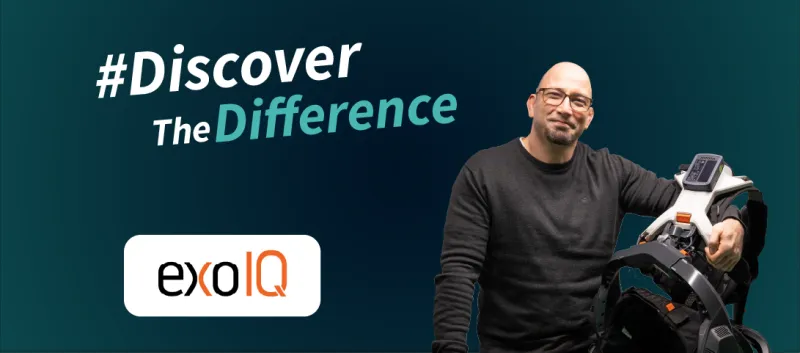
In our latest podcast "Logistics Solutions – 5 Questions in 5 Minutes," we feature Julian Wadephul, Co-Founder & CEO of enabl. He shares insights into enabl's innovative software solutions and discusses the current challenges in the logistics industry. enabl develops intelligent software aimed at optimizing and streamlining processes in intralogistics.
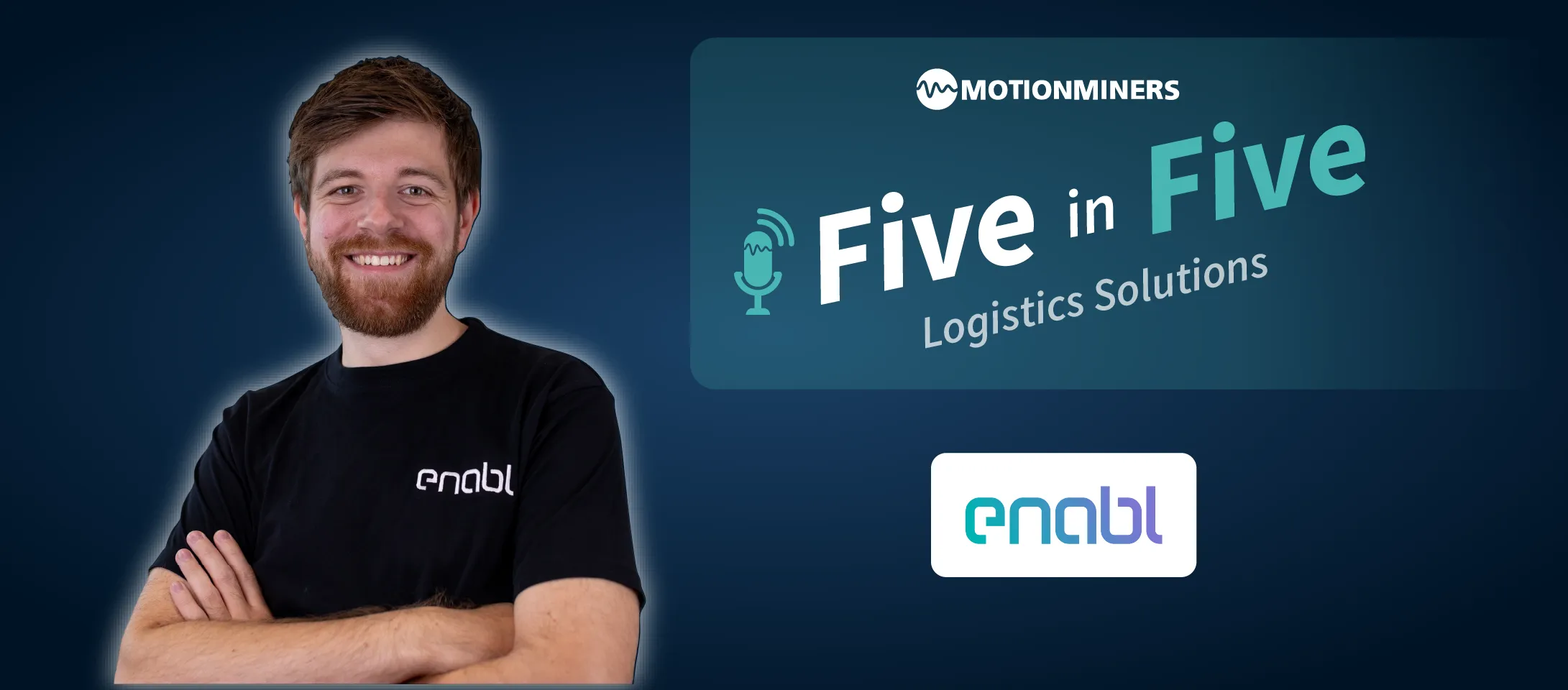 Julian Wadephul, Co-Founder & CEO of enabl, discussing innovative software solutions in the logistics industry.
Listen to the episode here or continue reading the blog to find out the answers to the five key questions.
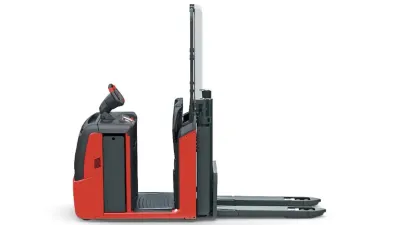
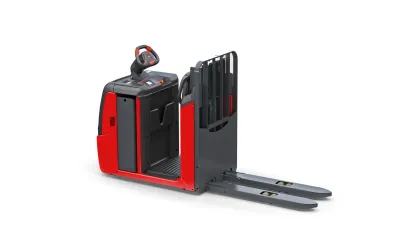
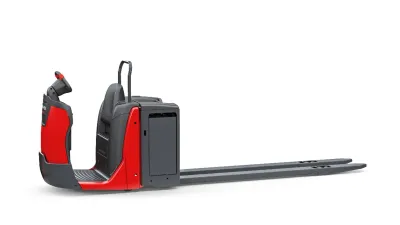
- Briefly describe your company and product. Enabl automates forklifts in logistics centers and offers customers a comprehensive service. We start with a remote driving technology, which means we can control vehicles over the internet from a desk. Using machine learning-based approaches, we can automate vehicles and aim to fully automate them by 2030. We gradually integrate more automation functions while still having drivers in the background to control the vehicles and handle various edge cases of automation as well as complex tasks.
- What problem do you solve? We solve three major problems: 1. Labor shortage: In Germany, we will lose 5 million workers in the next 10 years as more people retire than new workers enter the workforce. Logistics is one of the industries with the highest average age, and the jobs are generally not well-paid or attractive. In Germany, we have more than 15,000 open positions for forklift drivers. With the enabl solution, we need fewer drivers and can employ them wherever they are available, requiring only a desk and internet.
- What are your USPs? Our technology, combining remote driving and automation, allows us to utilize the flexibility and expertise of an employee, which is essential in logistics. This enables us to cover more use cases than any automation system, such as loading and unloading trucks, operating high-bay racks, and storing and retrieving in block storage. Additionally, our business model offers greater flexibility, for example, in fluctuating order volumes, as we work with variable pricing.
- Provide a specific application example or success story that illustrates how your solution works in practice. Due to confidentiality agreements, I must illustrate this with a fictional customer from contract logistics: The contract logistics provider must conduct logistics according to the specifications of their customer and has contracts with a maximum term of 5 years. Therefore, they cannot fully influence the logistics processes themselves and can only optimize for automation to a limited extent, and due to the short contract term, they can only invest to a limited extent. Additionally, they have very low margins and compete with other providers. They face the challenge that their workforce has an average age of over 50 years, many valuable employees are retiring, and they are not receiving good applications. They also often experience fluctuations (seasonal or within a week) that they can only partially respond to with personnel. With enabl, they can complete processes, such as truck loading and unloading, just as before, with full flexibility and reduced costs.
- What future developments or trends do you see in the logistics industry, and how are you preparing for them as a company? Currently, we see some short-term challenges due to the difficult economic situation in Germany, which we believe will stabilize in the coming years. In the long term, we see significant growth in logistics and a trend towards digitization and automation. Due to demographic changes, as in other industries, we see a shortage of available workers. Compared to other countries, the costs for companies in Germany are also a challenge, and competition will increase in the coming years. We believe we are developing the right product to address these challenges and must ensure that we bring the product to market and scale it before other solutions overtake us. We are preparing as a company by aiming for the highest possible development speed of the product and our company, and by covering as many additional use cases with customers as possible.
2. Volatility in logistics: Due to volatility in both demand and employee availability, it is difficult to always have the right number of employees available. Imagine being a logistics manager with 200 trucks to unload one day and 400 the next, while also dealing with employee absences due to illness. With enabl, we can connect locations and balance fluctuations.
3. Costs: There is significant cost pressure in logistics. With our solution, through the flexible distribution of employees and automation of partial processes, we can increase the efficiency of individual employees and thus reduce costs.